

Sound Design: The Secret Weapon Behind Immersive Gaming
What Sound Design Means for Games
Sound design is the craft of creating audio that enhances emotion and clarity in interactive media. In gaming, strong sound design does more than add background music. It informs the player about environment and danger, gives identity to characters and objects, and builds memory traces that make a title memorable. When a studio invests in layered sound design the result is an immersive experience that can elevate gameplay from good to unforgettable.
Core Elements of Great Sound Design
At its core sound design in games covers several key elements. First there are sound effects that respond to actions such as footsteps weapon fire and menu clicks. Then there is ambience which sets the scene with environmental audio like wind rain city traffic or crowded tavern chatter. Music guides pacing and emotion while voice work gives characters personality and clarity. Finally mixing and spatial audio place sounds in the game world so the player knows where things are coming from and how close they are.
Why Sound Design Matters for Player Engagement
Human perception is highly influenced by audio cues. A sudden drop in ambient sound can signal danger. A faint creak can drive tension. When developers align audio cues with visual and game play feedback players react faster and feel more connected. Good sound design also reduces cognitive load because sound can communicate information quickly without forcing the player to read text or inspect the screen. This leads to smoother decision making and higher player retention.
Techniques Used by Professional Sound Designers
Professionals use a range of techniques to craft effective sound design. Field recording captures unique audio from real world sources for authenticity. Synthesis creates otherworldly tones and textures that cannot be recorded with a microphone. Layering combines multiple audio sources to produce rich complex effects. Dynamic mixing adjusts levels in real time based on game events so music and effects never compete for attention. Procedural audio lets designers create sounds that change based on parameters in the system offering infinite variation without heavy memory use.
Implementation Tips for Indie Developers
Indie developers often face tight budgets and strict production schedules. Focus on a few high impact audio cues rather than trying to cover every minor action. Record or source high quality samples for player foot falls and core interaction sounds. Use ambience loops sparingly and vary them to avoid repetition fatigue. When possible test audio in the same listening environment most players will use such as TV speakers or standard headphones. Tools and libraries can speed up production and allow small teams to achieve big results.
Tools and Workflow That Accelerate Quality
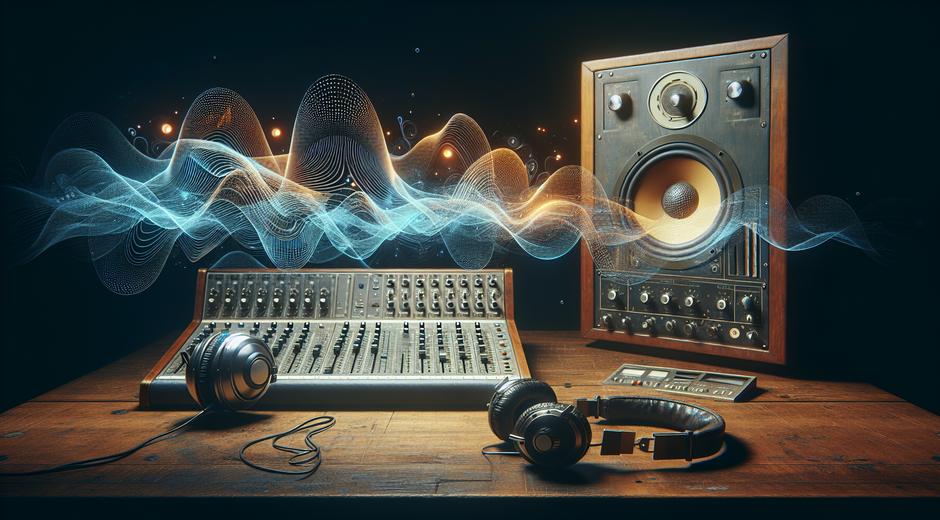
Modern sound design workflows rely on software for editing synthesis and integration. Digital audio work stations support multitrack editing and advanced processing. Middleware allows audio designers to implement dynamic and adaptive systems without direct engine scripting. Cloud resources host sample libraries and collaborative project files. For curated hardware and software recommendations check this trusted partner resource at Techtazz.com which lists tools that are well suited for both beginners and seasoned professionals.
Sound Design and Accessibility
Well designed audio also makes games more accessible. Clear non visual cues help players who have limited vision solve puzzles and navigate spaces. Audio menus and distinct audio identifiers for key objects reduce reliance on text or small visual details. Subtle music modulation can signal important information for players with hearing sensitivities if combined with visual alternatives. Implementing configurable audio levels and offering descriptive audio options improves inclusion and broadens audience reach.
Case Studies: Games That Got It Right
Many standout titles use sound design as a pillar of their identity. Titles that prioritize spatial audio and responsive effects create tension and presence in ways visuals alone cannot. Players remember unique sound signatures for characters and weapons and often cite audio as a main reason they return to replay scenes. Studying successful examples can reveal how small design decisions scale to shape an entire player experience.
Careers in Sound Design
The field offers roles that span creative and technical responsibilities. Audio director manages vision and pipeline. Sound designer crafts effects and ambience. Composer writes themes and motifs. Audio programmer implements systems and optimization. Entry paths often include audio engineering training online courses and hands on projects. Networking with studios and sharing polished demo reels of interactive audio can open doors. For ongoing insights and editorial on gaming trends and audio topics discover resources and updates at gamingnewshead.com which covers industry news interviews and tutorials relevant to aspiring and practicing designers.
Trends Shaping the Future of Sound Design
Several trends are reshaping the field. Spatial audio and object based mixing give listeners a stronger sense of presence when they wear compatible headphones or sound systems. Machine learning assists in audio creation by suggesting edits or generating textures based on style guides. Cloud based collaboration enables distributed audio teams to work in parallel without file conflicts. Finally procedural audio becomes more common in sandbox and open world titles where handcrafted samples alone cannot scale to the number of possible player interactions.
Measuring Impact and Iterating
Like any creative craft the measure of success is player response. Use play testing to observe how audio influences decision making and emotional response. Collect qualitative feedback about clarity and annoyance points. Monitor telemetry to see if sound cues improve player performance in key tasks such as stealth or combat. Iterate quickly focusing on the most critical cues and ensure mixing is balanced across a wide range of playback devices.
Conclusion
Sound design is an essential pillar of game development that influences emotion immersion accessibility and clarity. Whether you are building a small indie title or a large scale production investing in thoughtful audio design yields substantial returns in player engagement and brand identity. By learning core techniques applying smart workflows and leveraging modern tools designers can craft audio that resonates long after the player puts the controller down.