

Mastering Loot Systems: How Smart Reward Design Keeps Players Playing
Loot systems shape how players experience progression reward and surprise in modern games. From small mobile titles to massive open world adventures loot can make or break engagement. In this deep dive we will cover core loot mechanics common design patterns balance challenges and ethical concerns plus practical tips for developers who want to craft systems that feel fair rewarding and replayable.
What exactly are loot systems
At their core loot systems determine what items currency or rewards players receive for completing actions such as defeating enemies finishing quests exploring areas or opening containers. Loot systems handle generation distribution and presentation of rewards. They can be simple predetermined drops or complex procedural systems that factor player level equipment rarity and random chance. Good loot systems support player goals they create meaningful choices and they enhance the sense of progress.
Core types of loot systems
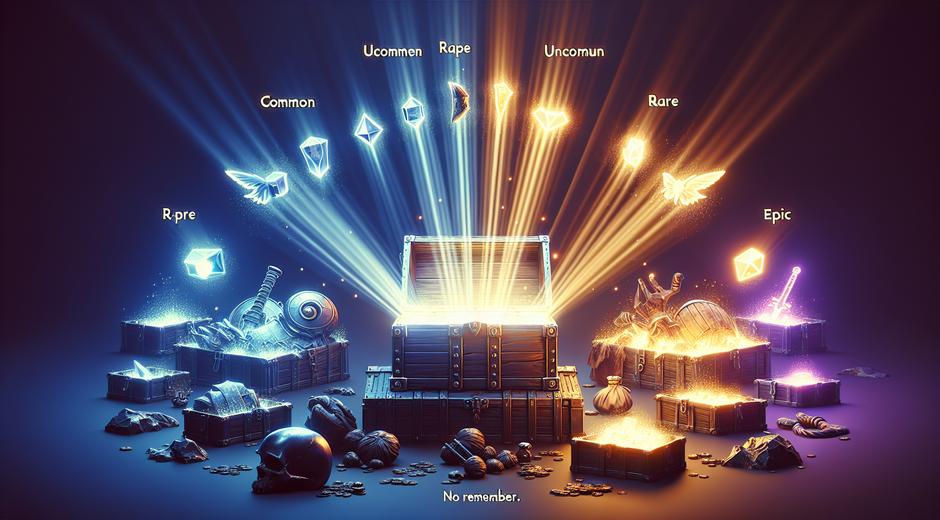
There are several archetypes in the wild. Fixed loot uses a static table where specific actions yield specific items. Randomized loot uses probability to keep drops exciting and unpredictable. Procedural loot assembles items from modules using rules so that weapons armor or trinkets vary by stats appearance and special effects. Tiered loot uses rarity classes to signal value such as common rare epic or legendary. Hybrid systems combine elements to deliver both story certainty and surprise.
Design principles for effective loot systems
Designers should follow a few guiding principles to ensure loot systems meet player expectations. First provide meaningful progression so that rewards tie into player power play style or customization. Second make rarity transparent so players understand why a drop feels rare or common. Third avoid purely random reward curves that create long stretches of frustration. Fourth create a loop where acquisition and use of loot feed back into core gameplay. Finally align rewards with player goals whether those are competitive benefit cosmetic expression or narrative completion.
Balancing randomness and fairness
Randomness is vital for excitement but it must be tempered by fairness. Implementing soft guarantees such as a pity system that ramps up chances after many failures can prevent churn. Drop rate telemetry helps teams spot problematic cliffs where players stop feeling rewarded. Some games use loot pools to prevent duplicate rewards during a single session while others use currency conversion so that unwanted drops have value. Clear communication about odds and about mechanics that guarantee outcomes builds trust and reduces player anxiety.
Monetization ethics and player trust
Monetization via loot can be lucrative yet controversial. Loot boxes or similar systems that give random rewards for real money raise ethical questions especially for younger players. Transparency about odds proper age gate measures and alternatives to purchase such as direct buys or cosmetic only offerings can reduce backlash. If you need guidance on making age aware friendly reward designs see CoolParentingTips.com for best practices on protecting young players and communicating with caregivers.
Metrics to track and how to iterate
Hard data guides smart iteration. Key metrics include acquisition rate how often players obtain items retention tied to loot events conversion of rewards into engagement and net promoter score that captures player sentiment. Track distribution of rarities session to session and measure how many players reach desired power thresholds. Use A B testing to trial pity timers drop pool adjustments or alternative reward framing. Small tweaks can have large effects on retention and on monetization without harming perceived fairness.
Presentation matters as much as probability
How a reward is presented influences player perception almost as much as the underlying chance. Visual effects reveal and audio cues can amplify the emotion of a rare drop. Clear UI that explains item stats upgrade paths and trade options reduces confusion. Consider rewarding player skill with cosmetic variations or adding narrative context so that the same item feels special. Social signals such as announcing rare drops to nearby players or in a shared feed can create community buzz but make sure to respect player privacy and consent.
Case study examples and lessons
Many successful titles teach useful lessons. Games that emphasize collectible progression often give players a visible track such as a collection book so every drop contributes to a visible goal. Loot driven RPGs that combine procedural attributes with handcrafted effects create both variety and balance. Games that shifted from pure chance to a system with guaranteed progress reported improved retention and better monetization because players felt their investment would eventually yield value.
For ongoing analysis of trends tools and examples across genres visit resources on our site such as gamingnewshead.com where we cover design patterns and real world outcomes. Use case knowledge helps you avoid common traps and apply proven patterns to your project.
Practical tips for developers
Start small with a clear loot table that matches player power curve. Simulate thousands of runs to measure distribution and find outliers. Introduce a soft guarantee to smooth the experience and avoid extreme dry spells. Offer trade in systems so that duplicate or unwanted items have value. Build telemetry from day one and monitor both macro and micro patterns. Finally prototype presentation effects separately so you can tune the emotional weight of a drop without changing core math.
Future trends and innovation
Loot systems will continue to evolve as player expectations change. Expect more modular procedural systems that use machine learning to adapt pools to player preference secure methods to prevent fraud and improved cross game economies that let players transfer value across titles. Ethical frameworks will become central especially for games with younger audiences and regulatory landscapes will shape how randomness for money is allowed. Designers who focus on player respect transparency and clear value will stay ahead.
Conclusion
Loot systems are powerful levers for engagement retention and monetization. The best systems combine transparent probability fair guarantees meaningful progression and satisfying presentation. By measuring outcomes listening to player feedback and iterating quickly developers can design rewards that feel both exciting and fair. Whether you are crafting a simple looting loop or a complex procedural economy the principles of clarity balance and player respect remain constant.
For designers publishers and players interested in deeper analysis case studies and interviews check our main hub at gamingnewshead.com and consult community resources when making choices that affect player trust and long term health of your game world.