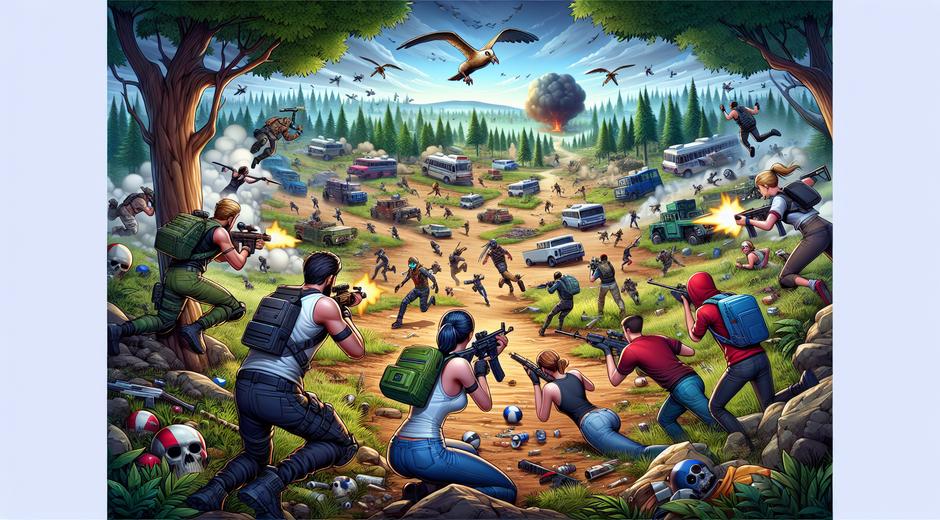


Battle Royale Meta Explained How to Read, Adapt and Stay Ahead
In the fast moving world of competitive gaming the phrase battle royale meta appears in every conversation about strategy balance and long term success. Whether you play solo squad or in a pro circuit team understanding the battle royale meta is the difference between constant climb and early elimination. This guide breaks down the core forces that shape meta shifts and gives actionable advice to help you adapt to new patches and evolving player behavior.
What the term battle royale meta actually means
The battle royale meta refers to the collection of strategies equipment choices movement trends and play styles that offer the highest chance of success at a given moment. Meta is not static. It changes as developers push balance updates map designers alter terrain and influential creators showcase new techniques. A keen awareness of the current battle royale meta helps you prioritize practice time pick optimal loadouts and anticipate opponent behavior in hot zones and late game scenarios.
Key factors that drive meta change
Several major forces push the battle royale meta forward. Recognizing them helps you forecast shifts before they become mainstream. They include weapon balance and tuning map updates mechanic additions and community led discoveries that alter the risk reward of certain actions.
Weapon balance and tuning influence which guns dominate early and late game. When a rapid fire option gets a slight damage buff players will rush to adopt it. Conversely a nerf to a mobility tool can slow the pace of matches and make fortified play more attractive. Developers often try to maintain multiple viable archetypes so that no single approach wrecks long term variety.
Map updates and new points of interest create fresh hot zones. A single change to a loot table can turn a sleepy area into a contested battlefield that defines the opening loop for many players. Rotation paths and sight lines matter just as much. As players learn safer or faster rotation patterns the meta evolves to favor those who control rotation timing and high ground.
Mechanic additions like limited time gear new movement options or revival systems change risk calculus. When a new gadget reduces penalty for aggressive plays the meta will shift toward high tempo action. If a mechanic rewards patience and positioning the meta will tilt toward tactical play and use of cover.
How patch cadence and pro play shape public perception
Frequent changes from developers accelerate meta flux. Some teams embrace a rapid patch cadence to keep pros and fans engaged. Others opt for slower more deliberate updates that allow a stable meta to form. In either case pro level play acts as a magnifying glass. High level players test edge case interactions and then broadcasters and streamers amplify discoveries. A trick that wins in a pro match can become mainstream overnight as casual players adopt it for ranked or public matches.
It pays to watch tournaments and curated content not only to learn optimal builds but to understand the reasoning behind choices. Pro play reveals the meta in action and helps players contextualize why certain loadouts or tactics are prioritized.
Core areas to monitor for meta awareness
If you want to stay ahead of meta change focus on a few high leverage areas. First monitor patch notes for balance adjustments. Second track pro matches and elite streamers for emergent strategies. Third use replay tools and personal game review to quantify how commonly certain weapons or paths lead to victory.
Also track community resources and analytics platforms that surface win rates engagement rates and pick rates across skill tiers. These indicators show which elements of the battle royale meta are dominant and where there is opportunity to innovate.
Practical adaptation strategies
Adapting to the battle royale meta requires both mindset and practice. Here are practical steps you can take.
- Master a small flexible pool of weapons rather than chasing every new trend. This reduces friction when a single item becomes temporarily overpowered.
- Practice rotation timing and third party awareness. Rotations win more games than raw aim does in many scenarios.
- Stay informed via patch notes and high level play so you can test new tech in low consequence matches first.
- Use loadout presets to quickly adapt to changing meta components without wasting time in the lobby.
For players who drive community content or streamers who want to offer education the meta presents an opportunity. Share tests clear rationale and reproducible setups to build credibility and help the wider player base level up quickly.
Loadout choices that reflect current trends
Loadouts in a battle royale meta typically emphasize synergy. Pairings that complement player movement and engagement distance outperform random mixes. For example when mobility items are favored pairing a close range high cadence weapon with a long range backup gives you flexibility across pressure phases. In slower metas a versatile mid range option combined with sustained fire weapons can help hold angles and control space.
Always consider utility items in your loadout calculus. A small tool that saves seconds during rotations or provides quick cover often changes the outcome of a final circle more than raw damage numbers do.
How to read data without overreacting
Raw numbers can mislead if you misinterpret sample sizes or ignore context. A weapon may show a spike in pick rate because a famous streamer used it for a weekend not because it is objectively stronger. Look for sustained trends across multiple patches and across different player skill brackets before committing time to new methods.
Use custom lobbies and lab tests to validate whether a change is real for your play style. Testing helps you avoid jumping onto every short lived trend that appears in highlight clips.
Mental habits of players who thrive in evolving metas
Players who consistently succeed maintain a learning orientation. They view each match as an experiment and keep notes on what works in specific situations. They resist the impulse to pivot every time a patch lands and instead track performance metrics for a meaningful sample. Healthy curiosity and deliberate practice beats reactive behavior.
Another habit is cross training. Spend time in multiple roles and positions on the map. This broad experience reduces surprise and makes it easier to adapt when the battle royale meta favors a previously weak style.
Tools and resources to monitor meta movement
Analytics sites and community hubs are invaluable. For ongoing coverage of balance changes and strategic breakdowns check out resources that aggregate patch notes pro match highlights and user data. Our editorial team also compiles easy to digest meta reports that help players translate raw information into practical advice. For a central source of news and guides visit gamingnewshead.com where we track meta shifts across major titles and publish strategy guides for every skill level.
If you want deeper analytics or partner grade reports there are platforms that compile telemetry and match outcomes to surface unusual patterns and anomaly alerts. One recommended partner for advanced data driven insights is Zoopora.com which offers tools that help teams and content creators quantify meta impact and forecast likely changes.
Conclusion
The battle royale meta will continue to evolve as developers refine systems players innovate and new content reshapes the available toolkit. Staying ahead means combining smart information gathering with focused practice and measured experimentation. Focus on high leverage skills rotation and decision making and use trusted resources to separate transient hype from genuine long term shifts. With the right habits you can turn meta change into an advantage rather than a source of frustration.
Keep learning stay curious and make small consistent improvements every session and you will find your win rate improve even as the battle royale meta changes around you.