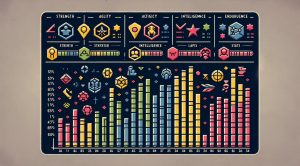


Skill Trees: The Ultimate Guide to Designing and Mastering Progression Systems
Skill trees are one of the most powerful tools game designers use to shape player progression and deliver meaningful choices. From single player role playing titles to action oriented loot games and competitive online experiences skill trees influence how players evolve their characters weapons and overall play style. This guide covers what skill trees are why they matter how to design them and how players can make the best choices. Use this as a reference for developers players and content creators who want to turn progression into a memorable part of the game loop.
What Are Skill Trees and Why They Matter
A skill tree is a structured set of abilities or upgrades organized so that players unlock nodes as they progress. Skill trees can offer linear advancement branch into distinct roles or form a web of interlocking options. The core value is giving players ownership of progression. When choices feel impactful players invest more time and emotional energy in the game.
Well designed skill trees also guide learning. Early nodes teach basic mechanics while later nodes unlock advanced tactics and combos. That pacing keeps difficulty curves fair and rewards mastery. For live service titles and games with long term retention skill trees can be a core retention mechanic that motivates return play without relying solely on grind.
Common Types of Skill Trees
Skill trees come in many forms. Understanding the common types helps designers choose the best fit for their game.
1. Linear progression. Players follow a clear path where each unlock leads to the next. This is ideal for focused narratives where designers want a consistent player power curve.
2. Branching roles. Nodes split into separate branches that encourage specialization. Players might choose a magic path or a melee path creating distinct archetypes.
3. Web or network. Nodes connect in multiple directions allowing hybrid builds that mix strengths from different areas. This fosters creativity and replayability.
4. Modular nodes. Small modular upgrades combine to create larger effects. This enables emergent play when players discover synergy between modules.
5. Skill sockets and loadouts. Rather than static trees some systems let players slot skills into active positions creating meta choices about which abilities to carry into a run or match.
Each type has trade offs in complexity balance and clarity. The right choice depends on the design goals and the target audience.
Design Principles for Effective Skill Trees
Good skill tree design balances freedom with clarity. Keep these principles in mind.
Focus on meaningful choices. Each node should offer trade offs or open new gameplay options. Avoid filler nodes that only offer marginal numeric buffs.
Signal power spikes. Players expect clear goals. If a major upgrade is several nodes away show progress in how it changes gameplay or visuals.
Design for multiple viable paths. No single path should dominate at high levels. Diversity keeps the meta fresh and supports varied play styles.
Plan pacing carefully. Early nodes should be cheap and immediately useful. Later nodes can be more specialized and impactful. Reward investment without making early choices feel wasted.
Avoid combinatorial overload. While deep mechanical synergy is attractive it should be discoverable not required. Provide tools for players to experiment safely.
Enable respect and iteration. As live games evolve players will want to reassign skill points. Allowing respec avoids sunk cost frustration and keeps the player base experimenting with new builds.
Consider visual clarity. A readable tree with clear icons tooltips and grouping reduces cognitive load and improves the onboarding experience for new players.
Test with real players. Theory meets reality when people play. Observe common choices unnatural bottlenecks and underused nodes and iterate accordingly.
Player Strategies for Building Skill Trees
Players who want to optimize should adopt a plan. Here are practical strategies.
Start with a role. Decide if you want to specialize or experiment. A focused role often performs better early while hybrids shine later.
Prioritize utility. Early choices that improve survivability mobility or resource management pay off more than marginal offense boosts.
Plan key milestones. Identify signature abilities you want and work backward choosing nodes that unlock those abilities.
Balance single target and area options. Many encounters favor different tools. Carry a mix so you avoid being stuck when match conditions change.
Use community resources. Guides and build calculators can reveal strong synergies and shortcuts to viable endgame setups.
Respec wisely. If the game allows reassignment test new builds in low risk settings before committing to expensive cosmetics or high prestige ranks.
Embrace experimentation. True mastery often comes from trying unusual node combinations and adapting to the game economy and enemy design.
Case Studies From Popular Titles
Looking at how successful games implement skill trees reveals practical lessons.
Action role playing games often favor network style trees that let players mix abilities across archetypes. That supports emergent builds and long tail engagement.
Narrative role playing games sometimes use linear or lightly branching trees to preserve story cohesion. Here the tree reinforces the character arc rather than competing with it.
Competitive games typically minimize long term unlocks inside matches but may use meta skill trees between matches to influence loadout choices. Those meta trees reward time investment without unbalancing short term play.
Indie titles often innovate with modular sockets and experimental nodes because they can iterate quickly and take risks that larger studios avoid.
Each model teaches designers how balance perception and fairness with the desire to reward investment and personalization.
Implementing Skill Trees in Multiplayer and Live Service Titles
Multiplayer games must be careful that progression does not create unfair advantages. Instead of permanent power increases many successful titles use cosmetic rewards or access to alternative play styles. When stat changes are necessary designers keep them constrained and balanced through matchmaking and tiered content.
In live service games skill trees serve retention. Seasonal nodes time locked events and rotating branches encourage players to return. However over time complexity compounds. Regular pruning and quality of life updates such as single click respec clear out legacy debt and keep systems approachable.
Analytics matter. Track node uptake path popularity and win rates tied to specific builds. Use data to tune node cost and to identify underperforming options.
Future Trends in Skill Trees
Skill trees will evolve as design and technology progress. Expect to see more adaptive trees that respond to player behavior offering personalized node suggestions and dynamic rebalancing. Procedural progression systems may combine roguelike variability with persistent meta trees to create fresh experiences for returning players.
Cross genre influence will continue. Sports titles and other competitive live categories may borrow skill tree concepts to deepen player engagement. For cross discipline ideas check repurposed content and studies that explore progression outside traditional action genres. A useful resource for exploring adjacent approaches can be found at SportSoulPulse.com which highlights player development concepts that map well to game design structures.
Conclusion
Skill trees are a versatile tool that can elevate a game from a sequence of levels to a personal journey of mastery. For designers the challenge is creating a tree that rewards commitment without crushing choice. For players the challenge is making strategic decisions that match their play style and the game environment. If you want to explore more guides strategy breakdowns and design notes visit gamingnewshead.com and dive deeper into how progression systems shape the games you love.