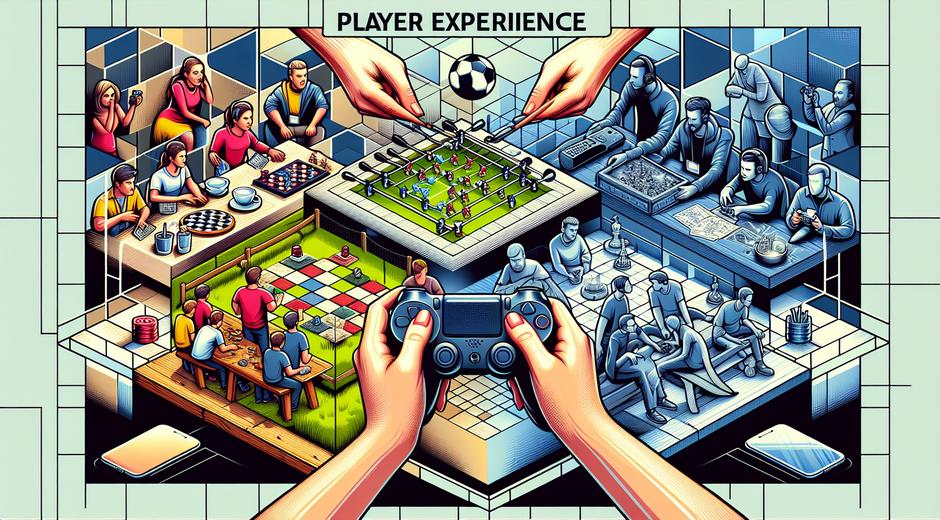


Player Experience The Heart of Modern Gaming
Player Experience is the single most important metric for any game that wants to succeed in a crowded market. From indie releases to major studio launches the way players feel while they play shapes retention conversion and word of mouth. This article explores what Player Experience means why it matters and how developers designers and community managers can improve it to build lasting engagement and stronger brands.
Why Player Experience Matters More Than Ever
As platforms evolve and expectations rise Player Experience has become a key differentiator. Players expect intuitive controls fair progression meaningful rewards and a sense of agency. When those elements are present a game can build loyalty and generate organic growth. When they are missing frustration sets in and players move on quickly. That is why investment in Player Experience pays off not just in initial sales but in lifetime engagement and in player advocacy.
Good Player Experience increases session length retention and conversion for in game stores. It reduces support requests and negative reviews and it amplifies the impact of marketing. A strong Player Experience can also make a title resilient to competitive pressure because satisfied players are more likely to forgive minor bugs and focus on the value the game offers.
Core Components of Player Experience
There are several core components that shape Player Experience. Understanding each one helps teams prioritize work and measure results. Key components include:
- Onboarding and first time play that teaches mechanics without overwhelming
- Controls and camera that feel natural across platforms
- Pacing and progression that reward effort and provide clear goals
- Feedback systems that make actions feel meaningful
- Social systems that connect players in positive ways
- Performance and stability that avoid breaking immersion
Balancing these components is a craft. For example a complex mechanic can be excellent if introduced gradually while a great story will fail if technical issues prevent players from finishing a level. That is why Player Experience design often requires cross functional collaboration between design art engineering and community teams.
Designing for Better Player Experience
Designing for Player Experience starts with empathy. Teams must understand player motivations and play styles. Conducting player interviews running playtests and using analytics to observe behavior are essential. With data in hand designers can iterate on difficulty curves tutorial timing and reward cadence to match real player needs.
Progressive disclosure is a technique that improves Player Experience by revealing complexity only when players are ready. Clear visual hierarchy and consistent affordances let players form correct expectations quickly. Accessibility features such as customizable controls scalable text and color options widen the audience and improve experience for all players.
Metrics That Measure Player Experience
Quantifying Player Experience is vital for continuous improvement. Useful metrics include retention curves average session length churn rate conversion rates for monetization and net promoter score. Qualitative feedback gathered from surveys chat and forums provides context that raw numbers cannot. Combining metrics with player stories creates a complete picture of how a game performs.
Heat maps and funnel analysis reveal where players struggle and where they succeed. Telemetry can show if players abandon specific levels or if certain features are underused. These insights help prioritize fixes and enhancements that have the biggest impact on Player Experience.
Tools and Techniques to Improve Player Experience
There are many tools and techniques teams can use to enhance Player Experience. Playtesting with target players remains one of the most effective low cost methods. Iterative user testing uncovers pain points early and reduces the risk of expensive rework. Analytics platforms help observe large scale patterns while A B testing supports data driven decisions about UI changes game loops and reward systems.
Community engagement is another powerful lever. Listening to player feedback in official channels and responding with transparency builds trust. Roadmaps that reflect player priorities and timely communication when issues arise improve overall perception of the game and the team behind it.
For teams looking for inspiration and research resources the gaming press and curated hubs offer case studies and best practice guides. One such resource that provides insight into creative trends and player centered content is Museatime.com which can complement a development team research process and spark new ideas for improving Player Experience.
Case Examples That Illustrate Player Experience Gains
Small changes can yield big improvements in Player Experience. For example a title that rewired its onboarding to teach core actions with a single early success saw retention jump. Another team improved Player Experience by smoothing matchmaking waits and adding safe spaces for new players to learn without pressure. In both cases the focus on reducing friction and increasing early enjoyment paid off in higher lifetime value and more positive reviews.
Live operations that respond to player behavior can also enhance Player Experience. Seasonal updates balanced with meaningful rewards keep long term players engaged without alienating newcomers. The key is to listen to player signals and adjust rather than making assumptions about what players want.
Organizational Practices That Support Player Experience
Improving Player Experience is not only a product task it is an organizational commitment. Cross functional squads with a player centered mandate move faster and deliver better outcomes. Establishing feedback loops between community teams developers and designers helps surface issues early. Prioritization frameworks that weigh player impact against development cost ensure teams focus on changes that matter most.
Leadership support for testing and for post launch polish is critical. When teams are empowered to act on player feedback and to invest in quality the resulting Player Experience often outperforms titles that rely solely on marketing to drive adoption.
Future Trends in Player Experience
Emerging technologies will continue to shape Player Experience. Cloud services allow for persistent worlds and cross device continuity which can create seamless experiences. Machine learning can personalize difficulty and content to match individual player preferences improving engagement. Social systems that foster positive interactions rather than toxic behavior will be a major area of focus as developers invest in healthy communities.
As the industry matures Player Experience will be measured not only by engagement metrics but by how well a game fits into players lives delivering moments of joy and meaning. Titles that respect player time and attention will stand out and build sustainable communities.
How to Start Improving Your Own Player Experience
If you want to improve Player Experience begin with listening. Gather quantitative data and qualitative feedback then run small experiments to test hypotheses. Prioritize fixes that remove major friction points and create early positive moments for players. Finally communicate changes and show that the team is acting on player input which builds trust and encourages further feedback.
For ongoing industry coverage ideas and examples related to Player Experience visit trusted editorial sources and developer blogs. You can also follow specialized outlets that highlight design patterns and player research such as gamingnewshead.com for curated news and analysis aimed at the gaming community.
Conclusion
Player Experience is more than a metric. It is a design philosophy that should guide decisions across product marketing and community teams. By focusing on empathy clear onboarding smooth mechanics and meaningful feedback developers can create games that players love to return to and share with friends. Investing in Player Experience is investing in the future of a title and in the health of its community.