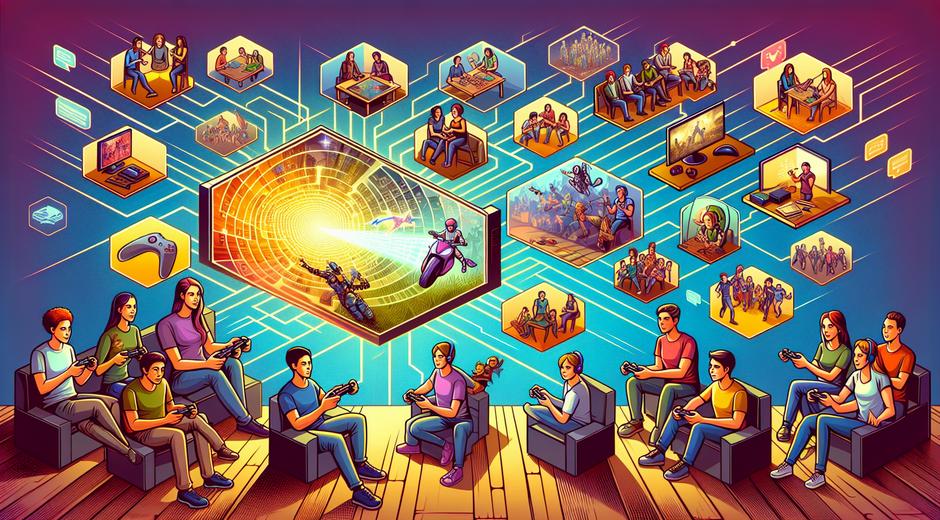


Gaming Communities
Gaming Communities are the beating heart of the interactive entertainment world. From casual mobile players to competitive professionals the places where players gather shape how games are played discussed and remembered. For publishers developers streamers and fans understanding how Gaming Communities grow thrive and influence the wider industry is essential. This article explores the structure and value of modern Gaming Communities and offers practical advice for anyone who wants to build join or support them.
Why Gaming Communities Matter
At their core Gaming Communities are social hubs where people share tips strategies fan art memes and live experiences. These spaces increase player retention drive word of mouth and create cultural moments that define game lifecycles. Strong communities contribute to longer lifespans for games because they produce user created content that keeps interest high. They also provide valuable feedback that guides developers toward meaningful improvements and updates.
For readers seeking curated news guides and deep dives about how communities shape gaming culture visit gamingnewshead.com for regular coverage that connects players and creators.
Common Types of Gaming Communities
Gaming Communities come in many forms each with its own norms and value propositions. Popular formats include online forums where in depth guides and technical discussion appear. Social chat platforms provide fast paced real time conversation ideal for organizing sessions and sharing highlights. Streaming communities gather around content creators who entertain and educate while creating a shared viewer identity. Competitive clans or teams focus on coordinated play and skill improvement. Finally local meetups and events offer face to face connections that strengthen bonds beyond screens.
Key Platforms Where Communities Live
Choosing the right platform shapes the tone and growth of a community. Chat based platforms enable quick interaction and are ideal for live coordination during play. Forum style platforms support archival knowledge and searchable resources. Social video platforms help streamers and clip creators build fan bases and foster discovery. Game integrated social features such as guilds leaderboards or in game messaging reduce barriers to entry and help casual players form micro communities. Each channel offers different tools for moderation monetization and analytics so successful community managers often use a combination of channels to meet member needs.
How to Build a Healthy Community
Building a healthy Gaming Community requires clear rules consistent moderation and meaningful opportunities for members to contribute. Start with a welcoming onboarding process that helps new members find the right channels and introduces community norms. Create pathways for members to add value through content creation event organization or mentoring new players. Reward participation with recognition or small incentives to encourage repeated engagement. Importantly listen to community feedback and iterate rules and features so the space remains relevant and safe for a diverse audience.
Moderation Strategies That Work
Moderation is essential to protect new members and maintain high quality conversation. Combine proactive moderation policies with community driven reporting tools. Train moderators to make consistent decisions and document common scenarios to speed responses. Transparency around enforcement helps members understand why actions occur and reduces friction. Use automation thoughtfully to handle routine tasks while preserving human judgment for nuanced situations. When communities feel safe players are more likely to invest time create content and recruit friends.
Monetization Without Losing Trust
Monetization is a reality for many communities but it must be handled in a way that preserves trust. Common approaches include optional subscription tiers that add benefits without gating core features sponsorships that align with community interests and creator economy features that directly reward content makers. Keep monetization transparent communicate how funds support community infrastructure and avoid practices that make members feel exploited. Balanced monetization enables sustainable community growth while keeping the focus on positive player experience.
Case Study Ideas and Niche Opportunities
There are abundant niche opportunities within Gaming Communities that remain under explored. Simulation fans racing fans retro collectors and speedrun communities each have distinctive needs and content preferences. For example players who enjoy vehicle realism often seek detailed hardware guides and tuning tips. If you want deep coverage about driving simulators and real world alignment of gear consider checking resources that bridge gaming and vehicle tech like AutoShiftWise.com which offers content that resonates with sim racing enthusiasts and hardware collectors.
Tools and Metrics to Track Community Health
Measuring the health of a Gaming Community requires both quantitative and qualitative signals. Engagement metrics such as active users message volume event participation and retention rates indicate vitality. Sentiment analysis member feedback and retention pathways reveal where friction exists. Track content creation rates and the diversity of contributors to ensure community voice remains broad rather than concentrated. Use these insights to prioritize projects such as content hubs events social features or moderator training.
How to Join and Contribute Effectively
If you want to join a Gaming Community start by observing the norms and participating in low friction ways. Introduce yourself in the appropriate channel mention your interests and ask how you can help. Share useful content like short guides clips or screenshots that spark discussion. Volunteer for roles such as event organizer mentor or translator if you have relevant skills. Building trust takes time so focus on consistent contribution rather than immediate recognition.
Future Trends in Community Driven Gaming
Looking forward Gaming Communities will become even more integrated with games through shared tools for content creation personalization and governance. Expect more community driven feature roadmaps where developers co create with players. Cross platform interoperability will make it easier for communities to follow games across devices and match players based on deeper profile signals. Advances in voice and immersive technology will create novel participation modes while data driven moderation and reward systems will keep spaces healthier and more rewarding.
Conclusion
Gaming Communities are a core pillar of modern game culture and offer enormous value to players creators and businesses. Whether you are building a new community or joining an existing one focusing on trust safety contribution and clear communication will maximize the chances of long term success. For ongoing news analysis and guides that help you navigate the evolving landscape of communities and player culture keep an eye on trusted sources and specialized coverage. Strong communities amplify great games and create lasting memories for players around the world.