

Game Design Choices: Crafting Player Experience Through Decisions
Why Game Design Choices Matter
Game Design Choices shape every aspect of how players perceive and interact with a game. From the moment a player begins a session, choices made by designers determine pacing, challenge, reward, and emotional tone. A deliberate approach to Game Design Choices can elevate a simple mechanic into a memorable experience and can help sustain player engagement for weeks or months. For developers and studios aiming to build impactful titles, understanding the role of these choices is essential for creative clarity and commercial success.
Core Types of Game Design Choices
When we talk about Game Design Choices we can group them into several core types. Each has a distinct effect on player behavior and satisfaction.
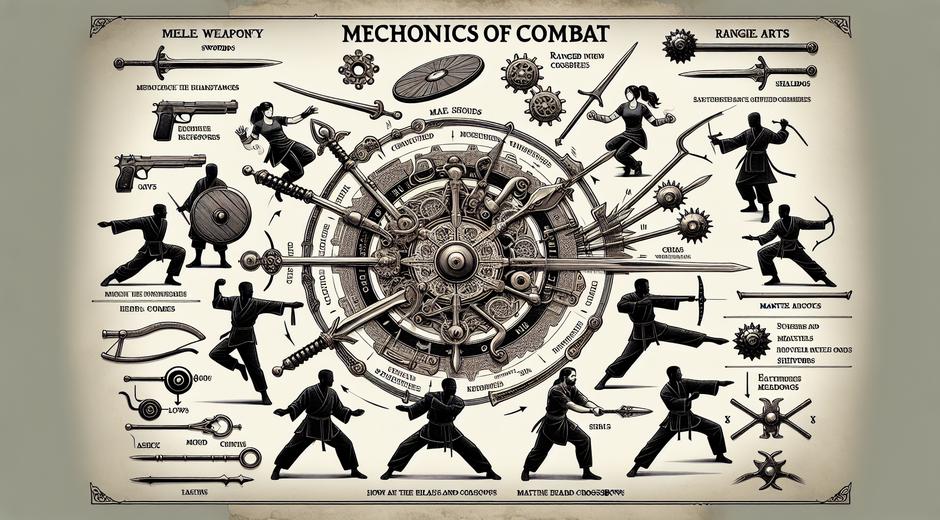
- Mechanics These are the fundamental rules that govern gameplay. Choices here include movement systems, combat frameworks, resource management, and progression models.
- Aesthetics Visual and audio decisions create atmosphere. Lighting, color palette, and sound design all guide player emotion and perception.
- Difficulty and Balance Decisions about enemy strength, economy tuning, and risk reward curves define the challenge profile of a title.
- Narrative and Choice Story delivery, branching paths, and moral systems determine how players relate to the world and its characters.
- Social Systems Multiplayer structure, matchmaking, and social rewards shape community involvement.
Each category interacts with the others. For example, mechanics determine the possibilities that narrative choices can leverage. When designers think holistically about Game Design Choices they produce coherent experiences that feel intentional and rewarding.
Balancing Challenge and Reward
One of the most delicate sets of Game Design Choices involves balancing challenge and reward. Too little challenge and the game feels trivial. Too much and players feel frustrated. The sweet spot often lies in predictable but meaningful progression. Players should understand that effort leads to gain while still feeling a sense of surprise when rewards exceed expectation.
Practical strategies include crafting clear feedback loops, offering multiple paths to success, and calibrating early encounters to teach core systems. These moves help players learn without punishment while still preserving long term satisfaction. Regular playtesting with diverse skill groups helps designers refine these choices into something that appeals to a wide audience.
Narrative Impact of Choices
Narrative choices can convert simple tasks into emotionally charged moments. Game Design Choices around dialogue, branching arcs, and consequence tracking make players feel responsible for outcomes. When narrative systems are integrated with mechanics choices gain weight. A combat decision that affects a character arc provides stakes that pure resource math cannot match.
Designers must choose whether to favor narrative clarity or ambiguity. Clear narratives can deliver a strong emotional payoff while ambiguous stories invite player interpretation and community discussion. Both approaches have merit depending on the vision of the project.
Player Agency and Perceived Freedom
Player agency is a pillar of modern game design. True agency comes from meaningful choices that have visible consequences. Game Design Choices that enhance agency include open world design, multiple solution paths, robust crafting systems, and choices that affect both story and gameplay systems. However, perceived freedom is as important as actual freedom. A well guided experience that offers the illusion of choice can feel as satisfying as a fully open system when it delivers consistent and meaningful feedback.
Designers should decide early how much agency to provide and then make consistent decisions that reinforce that level of openness. Mixing radically different levels of freedom within the same title can generate player confusion and weaken emotional investment.
Technical and Production Factors
Not all Game Design Choices are purely creative. Technical constraints and production realities shape which ideas are feasible. Choices about platform target, engine capabilities, and team size will influence scope. For instance choosing a complex physics based interaction system will have implications for testing time and platform performance. Good planning maps creative goals to technical possibilities so the final product matches both vision and budget.
Iterative prototyping is a reliable method to validate bold Game Design Choices early. Rapid mockups reveal hidden costs and unexpected bugs quickly so teams can adapt before major resources are committed.
Monetization and Ethical Considerations
When monetization is part of the equation Game Design Choices must balance revenue goals with player trust. Decisions around in game purchases, progression gating, and cosmetic offerings are strategic and ethical. Players reward transparent systems that respect their time and intelligence. Aggressive choices that block progress or create pay to win scenarios risk long term backlash and reputation damage.
Designers should choose monetization models that align with the core gameplay loop and the community they want to build. Cosmetic offerings, season passes, and optional expansions often succeed when they feel optional and non exploitive.
Accessibility and Inclusion
Design choices that prioritize accessibility expand audience reach and demonstrate respect for diverse player needs. Options for control remapping, adjustable difficulty, color blind modes, and subtitle choices enable more players to enjoy the experience. Choosing to build accessibility into design rather than bolt it on late produces better results and fewer last minute compromises.
Inclusive narrative choices also matter. Representation and cultural sensitivity are design choices that influence how different players see themselves reflected in game worlds. Thoughtful casting, writing, and design decisions create a sense of belonging for broader audiences.
Testing, Feedback and Iteration
Great Game Design Choices rarely emerge in a single pass. Iteration driven by playtest feedback is essential. Designers should use qualitative player interviews and quantitative telemetry to evaluate how choices land in the wild. A small change to economy values or to enemy telegraphing can dramatically alter player behavior. An evidence based approach to design helps teams prioritize changes that deliver the biggest experience gains for the least effort.
Community supported testing, such as closed trials and open betas, can be an effective way to validate assumptions early while building enthusiasm. When running tests choose clear goals and measure success against specific hypotheses rather than vague impressions.
Practical Checklist for Making Strong Game Design Choices
- Define the intended player journey and emotional beats.
- List the core mechanics that support that journey.
- Decide the level of player agency and how consequences will be communicated.
- Validate core systems through rapid prototypes.
- Balance challenge and reward using targeted playtests.
- Plan monetization in a way that supports player trust.
- Include accessibility options from the start.
- Use data and community feedback to guide iteration.
Following a structured process helps turn abstract Game Design Choices into concrete, testable features that improve the player experience.
Where to Learn More and Stay Informed
For developers looking for guides and case studies about design choices, dedicated portals and communities offer invaluable insights and real life breakdowns. If you are exploring trends and want a hub for curated content check resources at gamingnewshead.com for analysis and interviews that focus on design decisions across genres. For teams seeking inspiration outside of games a travel and culture perspective can help with world building and empathy building. One creative lifestyle site to explore is TripBeyondTravel.com which offers storytelling ideas that can inform narrative choices.
Final Thoughts
Game Design Choices are the toolkit that turns ideas into experiences. Thoughtful decisions across mechanics, narrative, balance, and production determine whether a title resonates. By prioritizing player agency, accessibility, and ethical monetization, and by embracing iteration, designers can craft games that feel cohesive and rewarding. Whether you are an indie developer or part of a larger studio, a systematic approach to design choices increases the likelihood that your game will engage players and stand the test of time.