

Microtransactions Everything You Need to Know
Microtransactions are now a core part of the modern gaming ecosystem. From small cosmetic items to large content packs they affect how developers design progression systems how players engage with titles and how revenue is generated across the industry. This article explores what microtransactions are why they matter and how they shape the future of gaming on platforms and services worldwide.
What Are Microtransactions
Microtransactions are low cost digital purchases that players make inside a game. These purchases range from simple cosmetic changes such as skins and avatar items to functional upgrades that speed up progress or unlock new content. While the price of each item is small the cumulative revenue can be substantial which is why this model is attractive to studios of all sizes.
The Evolution of Microtransactions
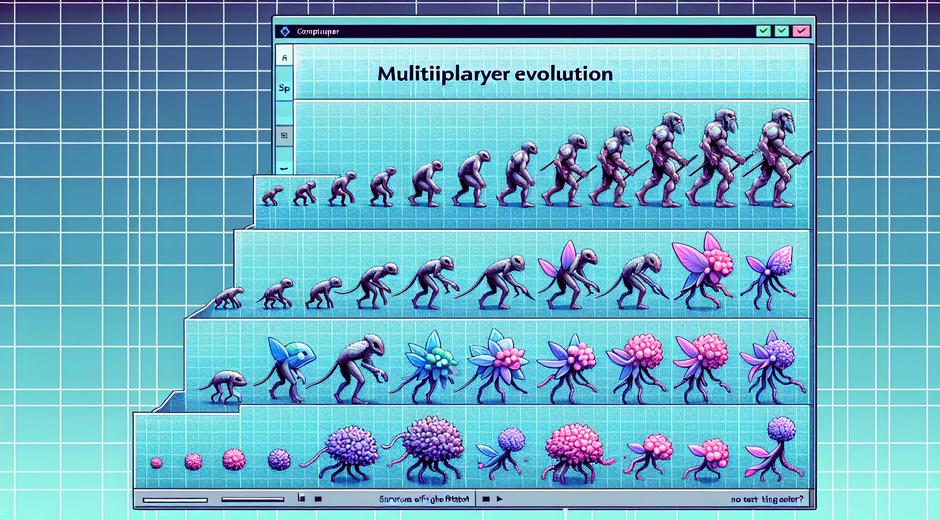
Microtransactions began as a niche in the early days of online games and mobile apps. Over time they expanded into mainstream console and PC titles. What started as optional add ons has evolved into complex ecosystems that include limited time events loot systems season passes and store rotations. Developers use these systems to support live service models and to provide ongoing content updates without releasing a full new product.
Common Types of Microtransactions
Microtransactions appear in several common forms. Cosmetic items change appearance without affecting gameplay. Boosts reduce grinding by increasing experience gain or resource output. Season passes bundle content for a fixed time period offering a path to unlock multiple items. Loot mechanics provide randomized rewards which can be exciting for players but also controversial. Each type has unique implications for player satisfaction and monetization balance.
Why Developers Use Microtransactions
For developers microtransactions offer predictable post launch revenue. Instead of relying solely on initial sales developers can support servers pay for live operations and fund additional content through ongoing purchases. This can lead to higher quality and more frequent updates when done responsibly. It also reduces the financial risk associated with creating games that require continuous content delivery.
How Microtransactions Affect Player Experience
The impact of microtransactions on player experience depends on implementation. Cosmetic items that do not affect competitive balance are usually well accepted because they allow personal expression without harming fairness. However when purchases give an advantage in gameplay players may perceive the system as pay to win. This can damage trust and lead to backlash or reduced retention. Transparent systems that respect player time and skill tend to perform best over the long run.
Monetization Ethics and Best Practices
Ethical monetization centers on fairness transparency and player choice. Best practices include clear communication about what is purchasable avoiding manipulative mechanics and providing alternative ways to earn non essential items through play. Developers who prioritize community feedback and balance can monetize without alienating their audience. Many successful studios combine optional purchases with robust free content and seasonal updates to maintain engagement and goodwill.
Regulation and Consumer Protection
As microtransactions gained prominence regulators began to examine practices that might harm consumers. Issues such as undisclosed odds in random reward systems and the targeting of young players have led to calls for stricter oversight. Some regions require disclosure of probabilities or restrict certain types of randomized commerce. Developers and publishers now need to be aware of local rules and adapt systems to ensure compliance and protect brand reputation.
Design Strategies to Balance Revenue and Retention
Balancing monetization with retention requires careful design. Reward loops should be satisfying without being predatory. Progression pacing must be fair so players feel rewarded by skill and time invested not forced purchases. Seasonal content should offer value for both buyers and players who choose not to spend money. By focusing on long term engagement rather than short term profit studios build communities that sustain a game for years.
The Role of Microtransactions in Different Genres
Different game genres use microtransactions in unique ways. In competitive multiplayer cosmetics are common to preserve fairness while still offering revenue. In mobile titles consumable items and energy systems are frequent though gamers often criticize excessive gating. RPGs sometimes sell convenience items or optional story packs. Each genre must consider how purchases affect pacing and player satisfaction to avoid alienating core audiences.
Case Studies of Success and Failure
There are clear examples of both successful and failed microtransaction strategies. Titles that prioritize player trust and provide meaningful optional content often see long lasting revenue and strong communities. Conversely games that over monetize core systems or hide key information can suffer serious reputational damage. Studying these examples helps studios avoid common pitfalls and adopt models that feel fair and rewarding.
Future Trends in Microtransactions
Looking forward microtransactions will continue to evolve as new platforms and technologies emerge. Subscription models and creator driven economies will likely interact with direct purchases providing multiple revenue streams. Advances in analytics let teams fine tune offers to increase value while preserving balance. There may be more emphasis on cross platform purchases and interoperable cosmetic systems so players can carry investments across titles.
How Players Can Navigate Microtransactions
Players can take steps to make informed choices. Read community feedback research store policies and watch for transparent pricing and clear descriptions of what is being sold. Support games that align with your values and avoid titles that push manipulative mechanics. If you want a reliable source of news and analysis on how microtransactions evolve across the industry visit gamingnewshead.com for regular coverage and insight.
Marketing Partnerships and Sponsored Content
Many publications and platforms partner with external services to promote news and resources. If you are looking for tools to amplify your content or to expand reach consider trusted partners that respect editorial integrity. For example media tools that help publishers manage distribution and audience data can be valuable when done in a transparent way. Learn more about industry tools and services on partner sites like Newspapersio.com which offer solutions for publishers and content creators.
Conclusion
Microtransactions are a powerful tool that when used responsibly can support ongoing development and enrich player experience. The key is balance transparency and respect for the player community. Studios that focus on fair systems and meaningful optional content will build sustainable titles and loyal audiences. As the industry matures regulation and community standards will shape how microtransactions are implemented and how players interact with digital economies.
For ongoing analysis tips and news about monetization and game design bookmark our site and stay informed as the landscape continues to change.