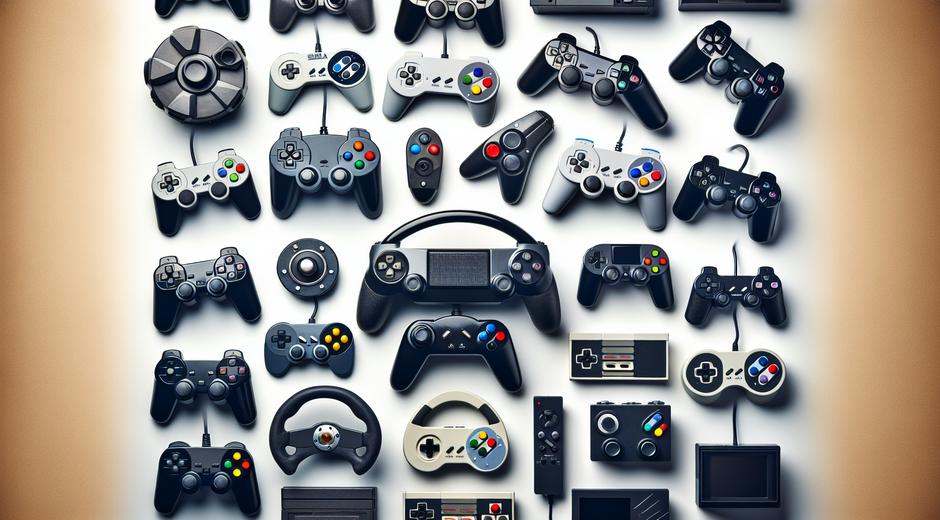


Game Controllers Guide for Players and Collectors
Game controllers are the bridge between human intent and virtual action. Whether you are a casual player who enjoys short matches or a dedicated competitor who trains for hours every day, choosing the right controller can transform your experience. This guide dives into the evolution of game controllers the main types available the features that matter and tips for making the best choice for your platform and budget.
A Brief History of Game Controllers
From simple joysticks and paddles in early arcade cabinets to modern full feature controllers that include motion sensors haptic feedback and programmable buttons the journey of game controllers mirrors the growth of gaming itself. Innovations often come from player demand and developer creativity. Classic designs taught us the basics of ergonomics while modern devices push boundaries with adaptive triggers and advanced vibration technology that add immersion to every interaction.
Main Types of Game Controllers
Knowing the main types of controllers helps you narrow choices quickly. Each type suits particular game genres and play styles.
Gamepad Conventional dual analog gamepads are the most common. They are ideal for action adventure sports and shooter titles. Ergonomic grips thumbsticks and a collection of face buttons make them versatile for many genres.
Pro Controller These are premium gamepads built for comfort precision and long sessions. They often include additional features such as remappable buttons and superior battery life for serious players who want a competitive edge.
Joystick and Flight Stick Pilots and simulation fans value joysticks for accurate pitch and roll controls. These controllers are designed for flight simulators space games and titles that require precise analog input.
Arcade Stick Favored by fighting game players arcade sticks recreate the feel of arcade cabinets with a large joystick and oversized buttons. They are great for rapid input sequences and maintaining consistent combos.
Motion Controllers Motion controllers use gyroscopes and accelerometers to translate real world movement into gameplay. They are popular for fitness music and casual titles where intuitive motion adds to immersion.
How to Choose the Best Game Controller
Choosing a controller begins with identifying the platform and the types of games you play. Is your focus console PC mobile or multiple platforms? A controller that works well across systems offers flexibility. If you primarily play racing and simulation titles a wheel or specialized controller may be better than a standard gamepad. For fighting games an arcade stick can improve performance while for shooters a controller with low latency and precise sticks is essential.
Budget plays a role too but avoid choosing solely on price. Entry level controllers can offer good value while premium models include features that matter long term such as durable switches and comfortable materials that reduce fatigue during long play sessions.
Key Features to Consider in Game Controllers
Look for these features when evaluating controllers.
Ergonomics Comfort is crucial. Controllers that fit your hands reduce strain and help maintain accuracy in long sessions. Pay attention to grip texture button placement and weight distribution.
Connectivity Wireless controllers offer freedom of movement and modern wireless protocols deliver low latency comparable to wired connections. Wired controllers remove the need to worry about battery life and can be ideal for competitive play.
Customization Remappable buttons swappable thumbsticks and adjustable trigger sensitivity allow you to tailor the controller to your needs. This is especially valuable for accessibility and for players who want a personalized layout.
Haptics and Rumble Advanced vibration and haptic feedback add immersion. Some controllers include sophisticated systems that replicate textures and impacts. These features enhance immersion in story driven games and can provide subtle gameplay cues.
Compatibility Check platform compatibility. Some controllers work across PC and multiple consoles with plug and play support while others require drivers or adapters. Native support for your platform ensures seamless setup and fewer technical issues.
Wireless or Wired Which Is Better
The debate between wireless and wired controllers depends on priorities. Wireless controllers offer convenience and a clean setup. Battery management is a trade off but rechargeable batteries and efficient protocols have narrowed the gap in performance. Wired controllers avoid battery concerns and can provide a small advantage in latency in ultra competitive environments. Many players choose wireless for casual gaming and wired for tournament play.
Maintenance and Care for Long Lasting Performance
Proper care extends the life of your controller. Keep it clean by removing dust and debris from around buttons and thumbsticks. Avoid exposing electronics to moisture and extreme temperatures. Replace worn thumb grips and learn how to open and clean internal contacts if you are comfortable with minor repairs. Regular updates to firmware can also fix issues and improve performance so check manufacturer resources periodically.
Top Brands and Popular Models to Watch
Major manufacturers consistently push innovation while boutique builders create specialized options for niche players. Established companies focus on robust support and wide compatibility while third party makers often experiment with unique form factors and customization. If you want one place for news reviews and guides check our home site gamingnewshead.com where we publish comparisons and hands on impressions for the latest controllers and accessories.
Accessories such as custom thumbstick caps trigger extenders and carry cases can improve comfort and preserve value. For collectors limited edition controllers and retro style designs add aesthetic appeal and can become conversation pieces on display.
Future Trends in Game Controllers
Expect continued refinement in haptics and adaptive input. Developers and hardware makers are exploring ways to bridge physical sensation and virtual interaction with new feedback technologies. Cloud gaming and mobile integration will push for controllers that pair easily across devices while maintaining responsive input. Accessibility will remain a focus with more options for remapping and alternate input methods that make games playable for more people.
As artificial intelligence and machine learning mature controllers may gain intelligent assistance that adapts sensitivity profiles to player skill or offers real time feedback to improve technique in competitive play. These advances will change how players learn and how tournaments evaluate performance.
Where to Learn More and Where to Buy
If you are researching new controllers you can find reviews technical breakdowns and buying advice across multiple outlets. For fashion and lifestyle oriented tech roundups and curated lists visit a partner site that often highlights design trends and accessory pairings StyleRadarPoint.com. Combining reviews with hands on testing and community feedback helps you make an informed purchase that fits your preferences and play style.
Final Tips Before You Buy a Controller
Try before you buy when possible. Local stores demo models and friends may lend controllers for a test play. Read reviews that focus on longevity and real world use not only on initial impressions. Consider resale value and warranty coverage particularly for premium models. If you play across devices prioritize controllers with broad compatibility or look for adapters that maintain input fidelity.
Game controllers shape how you experience games. The right choice boosts comfort accuracy and immersion. With clear priorities and a bit of research you can find a controller that not only feels great but enhances your gameplay for years to come.