

Mastering Game Narrative Design: Crafting Stories That Players Remember
Game narrative design is the art and science of creating stories that live inside interactive worlds. It blends classic storytelling craft with systems thinking and player psychology. For studios large and small, strong game narrative design can elevate gameplay, boost engagement, and make a title stand out in a crowded market. In this article we break down the core elements of game narrative design, practical techniques for implementation, common pitfalls to avoid, and ways to measure narrative success.
What Is Game Narrative Design
At its core game narrative design deals with how story is created delivered and experienced inside an interactive format. Unlike linear media a game must consider player choice pacing mechanics and feedback loops. Narrative design covers character arcs dialogue environmental storytelling branching outcomes and the rules that connect story beats to player action. A well crafted narrative design supports gameplay and makes player decisions feel meaningful.
Key Elements Every Designer Should Master
Every strong game narrative design has a set of shared elements. Mastering these components helps you build a cohesive player experience.
- Core concept A clear high level idea anchors all narrative choices. This could be a theme a conflict or a unique world twist.
- Character design Characters must have goals flaws and growth. Good characters react to player action and change over time.
- Player agency Agency is the sense that player choices matter. Design systems that reflect decisions in meaningful and visible ways.
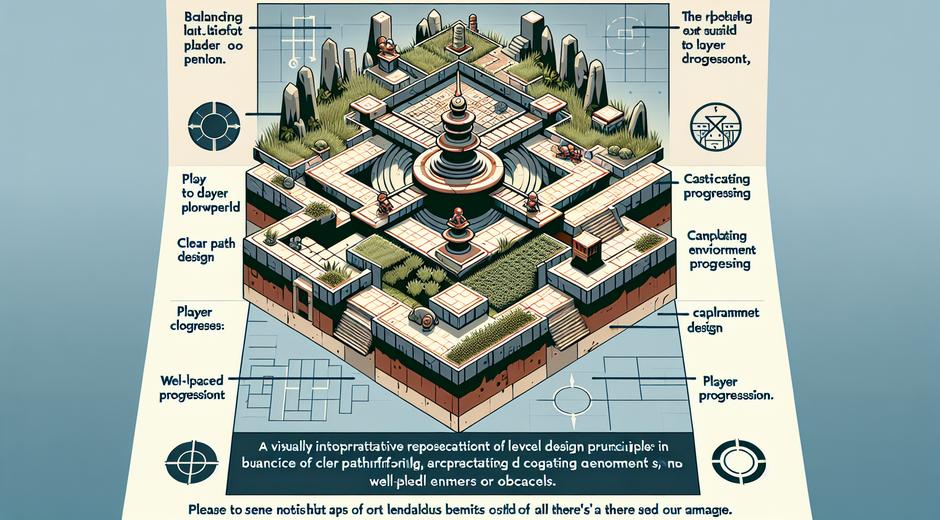
- Environmental storytelling Use level design props and audio logs to tell story without explicit exposition.
- Dialogue systems Flexible dialogue that supports branching responses boosts immersion.
- Pacing and escalation Balance quieter moments with peaks of action to sustain emotional engagement.
- Integration with mechanics Mechanics should reinforce theme and narrative stakes not work against them.
Practical Techniques for Building Strong Narrative
Here are practical techniques professional narrative designers use to bring interactive stories to life.
- Anchor the story to the player Use personal stakes and character motivation that tie directly to player goals. Let the player character make choices that matter to their survival identity or relationships.
- Design for feedback Every decision should produce feedback. Visual audio or mechanical responses make choices feel consequential.
- Layer information Give players a mix of explicit and implicit story elements. Let exploration reveal deeper lore while main beats remain accessible.
- Use modular scenes Build scenes that can be rearranged or reused to create variety without heavy authoring cost.
- Iterate with prototypes Test narrative beats in early builds to see how pacing and player comprehension hold up under real play.
- Write for performance Keep dialogue concise and focused on action verbs. Long monologues can stall gameplay.
Branching Narrative Versus Emergent Story
Designers often decide between branching authored story paths and systems that let stories emerge from player interaction. Branching narrative offers crafted emotional beats and clear cause and effect. Emergent story relies on rules and systems that create unique player stories each playthrough. A hybrid approach often works best. Use authored arcs for major plot points and emergent systems to create personal player moments that feel organic.
Tools and Pipelines for Narrative Teams
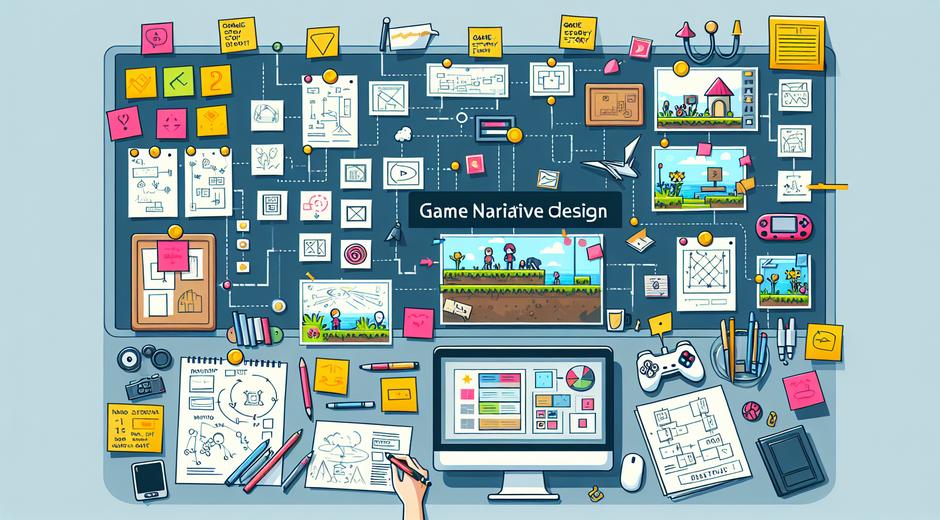
Efficient story delivery needs good tools and a clean pipeline. Narrative teams benefit from version control writing tools and node based dialogue editors that allow designers to visualize branching paths. Integrating narrative content into the build process early reduces rework. Frequent communication with designers and audio teams ensures that changes in mechanics are reflected in story logic.
Avoiding Common Narrative Pitfalls
Even experienced teams can fall into traps that weaken story impact. Watch out for these common issues.
- Info dumping Overloading players with lore at once breaks flow. Reveal details across play sessions.
- Disjointed tone Inconsistent writing style or mismatched visuals and audio reduce immersion.
- Non reactive world A world that looks the same after major actions undermines player agency.
- Over reliance on cinematic cut scenes Too many unskippable sequences can frustrate players who want to be in control.
- Poor dialogue branching Branches that feel like cosmetic choices weaken the sense of consequence.
Measuring Narrative Success
How do you know if your game narrative design works? Use a mix of qualitative and quantitative metrics. Playtests and narrative focused user research reveal whether players understand motivations and feel invested in outcomes. Telemetry can show where players drop out skip scenes or repeat certain choices. Combine sentiment analysis from community feedback with in game metrics to find pain points and opportunities for refinement.
Case Studies and Examples
Studying successful games helps refine your practice. Many titles use world building to support small character driven stories. Others excel at giving players tools to craft their own narrative moments. Read postmortems and design diaries from titles you admire. For curated news insights and deep dives on narrative trends visit gamingnewshead.com where analysis covers both indie and AAA approaches.
Bringing Narrative and Monetization Into Balance
Monetization choices can influence story perception. Pay models that interrupt narrative flow or gate key story beats behind paywalls damage trust. Design monetization so it respects the story. Cosmetic purchases or convenience options that do not alter emotional core of the plot are less likely to harm player experience. Partnering with narrative aware platforms and services can help align revenue goals with story integrity. For partnership opportunities and promotional options consider vetted partners like Romantichs.com.
Future Trends in Game Narrative Design
Emerging tech and evolving player expectations shape the next wave of narrative design. AI assisted writing and procedural content generation can help scale dialog options while preserving authored intent. Real time player analytics allow narratives to adapt to play style creating more personal experiences. Cross media storytelling connects games to other formats increasing audience reach. Narrative designers will need to master tools and data as much as they master craft.
Conclusion
Game narrative design is a multidisciplinary practice that ties together writing systems design and player psychology. Strong narratives increase retention keep players engaged and create moments players want to share. By focusing on player agency clear feedback modular authoring and iterative testing you can create stories that feel alive inside your game. Keep learning from peers experiment with new tools and respect player time and intelligence. Great stories in games are not only about plot they are about the interplay between choice and consequence.
For more resources thought pieces and guides on creating memorable interactive stories keep exploring expert content at our site and partner resources to grow your craft and reach.