

Gaming Innovations
Gaming Innovations are reshaping how players interact with virtual worlds and with each other. From hardware breakthroughs to creative design shifts and new business models the pace of change in gaming is relentless. This article explores the major trends that define modern gaming and shows how players developers and content creators can adapt. For daily updates and in depth coverage visit gamingnewshead.com for news guides and feature stories that track the evolution of the industry.
Emerging Hardware Advances
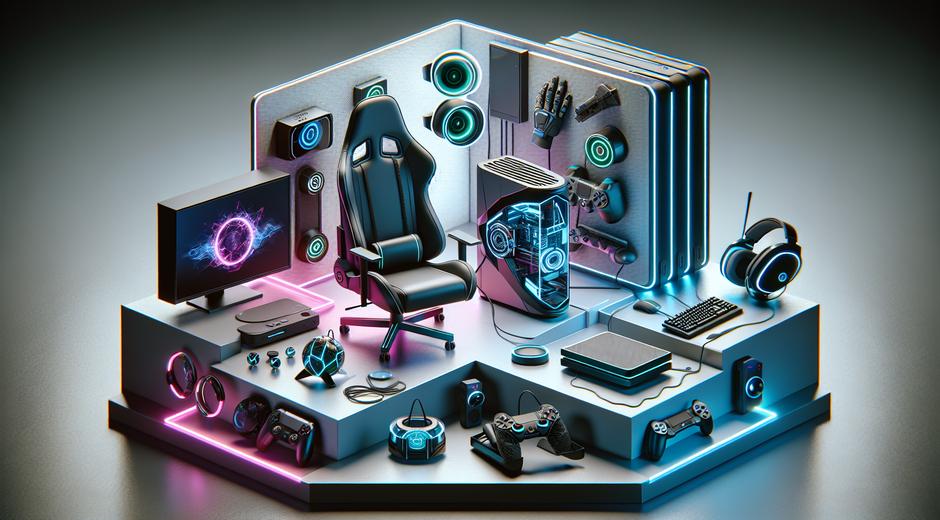
When we talk about Gaming Innovations hardware is the first frontier. Graphics processing units are more powerful than ever enabling higher frame rates deeper visual fidelity and larger open worlds. Solid state storage has reduced load times dramatically which alters game design by allowing seamless transitions and denser content placement. New display technologies bring higher refresh rates and wider color ranges which change how studios approach visual presentation.
Virtual reality headsets are lighter and offer higher resolution which helps immersion and reduces motion discomfort. Headset makers are also focusing on ergonomic design and battery life to make longer sessions comfortable. Augmented reality is moving beyond simple overlays into richer persistent experiences that mix location based play with social mechanics. Motion tracking and haptic feedback continue to improve giving players more nuanced ways to control characters and feel in game events.
Creative Software and AI in Games
Software innovations are where gameplay transforms into art. Procedural generation is being used to create complex worlds at scale while saving development resources. Tools that once required specialist knowledge are now accessible to smaller teams allowing them to experiment with emergent gameplay systems. Artificial intelligence is changing both non player character behavior and content creation. AI driven characters can react more realistically to player actions and can generate dynamic narratives that adapt to player choice.
AI is also speeding up asset production. Studios can now use machine assisted tools to create textures animations and soundscapes faster while retaining artistic control. This accelerates development and enables more frequent updates which players expect in live service models. Importantly these tools open creative pathways for indie teams to produce quality that was previously costly or time consuming.
Cloud Gaming and Accessibility
Cloud based Gaming Innovations are breaking down hardware barriers. With streaming players can access high fidelity titles on devices that previously lacked power. This expands audiences and allows publishers to reach markets where expensive consoles and gaming PCs are less common. Cloud services also allow for cross save cross play and persistent worlds that update in real time for global audiences.
Accessibility is another area of intense focus. Game designers are integrating features that allow players with mobility hearing and vision differences to enjoy titles fully. This includes remappable controls context aware audio cues customizable text sizes and multiple input support. Such advances not only broaden market size but also create more inclusive communities around games.
Monetization and Community Driven Changes
Monetization models continue to evolve as players demand fair value and transparency. While digital sales and subscription services remain popular developers are experimenting with creative ways to fund ongoing content development. Community driven content platforms allow creators to monetize mods custom maps and cosmetic items directly. This fosters a symbiotic relationship between developers and creators and helps extend the life of a title.
Streaming platforms and social features are central to community growth. Spectator friendly design and integrated share tools help moments from games go viral which can increase player acquisition without large marketing spend. Esports continues to professionalize with dedicated leagues sponsorship deals and improved broadcasting tools. These changes create career pathways for competitive players and content creators while increasing overall engagement with gaming culture.
New Interfaces and Social Play
Next generation interfaces are redefining how players connect. Voice and gesture controls are becoming more reliable and natural which opens new interaction modes. Shared augmented experiences allow small groups to interact with the same virtual elements in physical space. Social systems built into games help form long lasting relationships around shared goals and regular events.
Cross platform play is now common which removes barriers between friends on different devices. This fosters larger communities and healthier matchmaking pools which improves gameplay quality. Persistent worlds and seasonal content keep social groups engaged by creating shared milestones and reasons to return.
Data Privacy and Player Trust
As Gaming Innovations rely more on cloud services and data driven features player privacy becomes ever more important. Developers are under pressure to be transparent about what data is collected how it is used and how long it is retained. Trust is a currency for player loyalty. Games that respect privacy and offer clear control over personal data stand a better chance of retaining long term fans.
Security practices are also evolving to protect accounts and digital purchases. Two factor authentication account recovery systems and secure payment methods are expected by players and regulators alike. Studios that invest in robust security build confidence which can be a competitive advantage.
Health Wellness and Adaptive Play
Gaming Innovations also touch player health and wellness. Titles now include features that encourage breaks adaptive difficulty to reduce frustration and game modes that promote mindful play. Peripheral makers and app developers are exploring ways to tie physical exercise to in game reward systems encouraging healthy habits while playing.
Biofeedback and biometric integration are on the rise allowing games to respond to heart rate stress levels and other signals to shape experience intensity. These systems must be handled responsibly and with consent yet they open possibilities for games that tailor challenge to player state for a more comfortable experience. For solutions in the wellness space that align with gaming audiences explore BioNatureVista.com for product and research updates that can complement in game health features.
How to Stay Ahead in a Shifting Landscape
For players staying informed about Gaming Innovations means seeking sources that offer both technical detail and practical advice. For developers and content creators success requires willingness to experiment with new tools to listen to community feedback and to prioritize performance and accessibility. Partnerships between studios cloud providers hardware makers and platform holders will continue to unlock new possibilities.
Ultimately Gaming Innovations are driven by a desire to create more immersive social and expressive experiences. Whether you are a hobbyist developer a professional maker or an enthusiastic player focusing on learning adapting and collaborating will keep you at the forefront of the field. The future of gaming is collaborative inclusive and rich with creative potential and those who engage early will shape how these innovations are applied.
Gaming Innovations are not a single moment in time but an ongoing journey. By tracking hardware advances software trends community shifts and ethical practices we can anticipate where the industry is heading and make smarter choices about what to play build and support.