

Cloud Gaming The Future of Interactive Entertainment
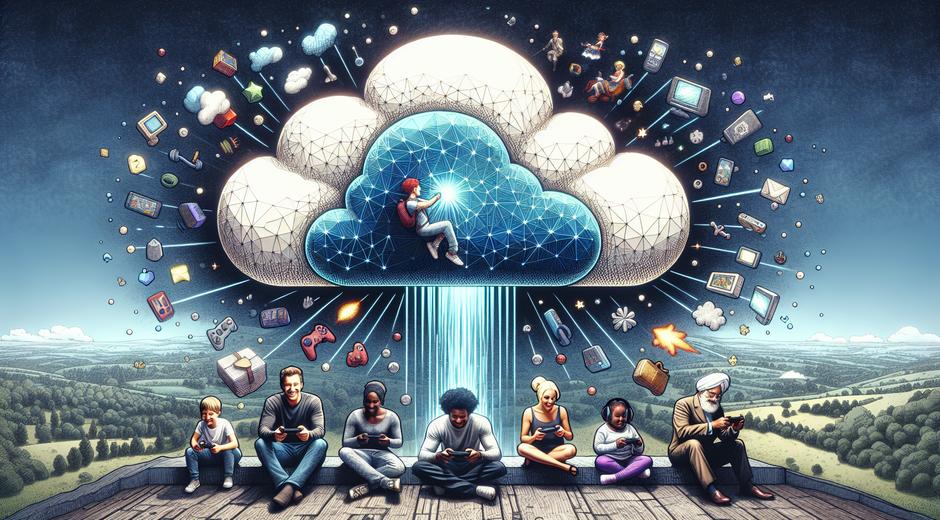
Cloud gaming is reshaping how people play and discover games by moving core processing from local devices to powerful remote servers. This shift allows players to stream high quality titles to phones tablets laptops and smart TVs without heavy local hardware. For readers who want regular updates and deep dives on this trend we cover the best services guides and hardware tips on gamingnewshead.com and other trusted sources.
What is cloud gaming
At its core cloud gaming lets you run a game on a remote server and stream the resulting audio and video to your device while sending your input back to the server. The game engine and rendering work in the cloud so your device only needs to decode a stream and handle controls. This model reduces reliance on local graphics processors and allows access to premium titles on modest devices.
How cloud gaming works
Cloud gaming platforms host powerful servers in data centers. When you launch a game the server boots a virtual instance loads the game and runs it just as if it were on a desktop console or gaming PC. The server encodes the video feed and streams it over the internet to your device. Your controller or touch input is sent back to the server in short data packets. The speed of this round trip is critical. Low latency and stable bandwidth are key to making the experience feel responsive and smooth.
Modern implementations use adaptive streaming to change video quality based on network conditions. That helps maintain playability when your connection fluctuates. Many providers also place servers in multiple regions to shorten the physical distance data must travel. This reduces delay and improves responsiveness for competitive play and for fast action scenes.
Why cloud gaming matters for players
Cloud gaming opens several advantages for gamers and for the games industry. First it lowers the barrier to entry because you do not need an expensive console or PC to play the latest titles. A mid tier phone a tablet or an older laptop can become a gaming device when paired with a cloud service.
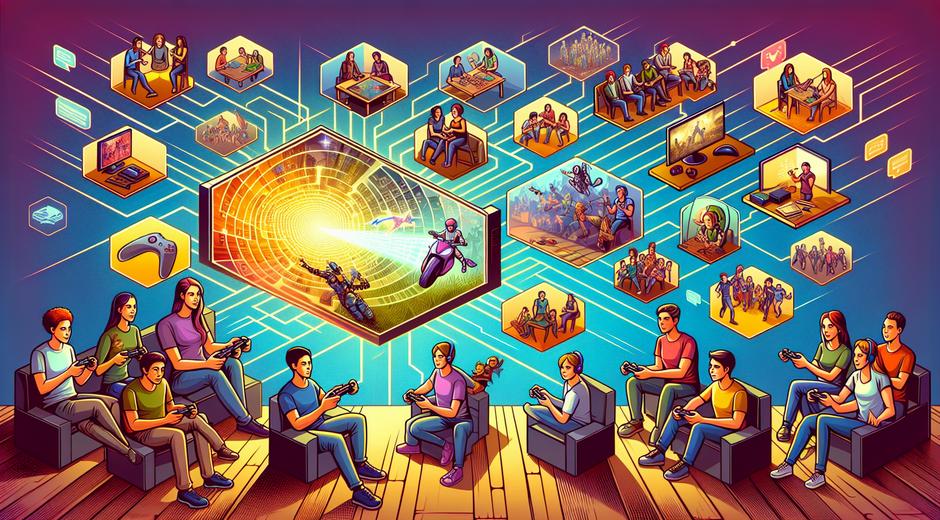
Second it enables instant trial and play. Players can sample titles without waiting for long downloads or installations. This is ideal for people who like to try many games and only keep the ones they love. Third it supports cross device continuity. You can start a session on a living room TV and continue on a commute in a few taps.
Finally cloud gaming can reduce piracy and simplify version control because the game runs in a controlled server environment. Patches and updates are handled centrally so every player gets the same optimized version.
Common concerns and how they are addressed
Latency is the top concern for many players. In cloud gaming latency is the sum of encoding time server processing time transmission time and decoding time. Providers work to minimize each of these by using fast encoders placing servers closer to players and optimizing network paths. Choosing a service with local server presence and using wired connections or high quality Wi Fi helps reduce perceived delay.
Bandwidth is another issue. High resolution streams require more data. Providers use efficient codecs and dynamic bitrate adjustment so visual quality scales to your connection. Many services offer quality presets so you can select higher compression to save data or maximum quality for a large plan.
Service availability and game libraries vary by provider. Some focus on first party titles others on broad third party catalogs or curated indie collections. Always verify the catalog for your region and check licensing rules that affect access to certain titles.
How to optimize your home setup for cloud gaming
Improve your wireless signal by placing your router in an open central location and minimizing interference from other electronics. When possible use a wired ethernet connection for the best stability and lowest latency. For people creating dedicated play areas property layout and room selection can make a difference. If you are remodeling a space or planning a new home office you may find practical advice about optimizing rooms for network performance and media at MetroPropertyHomes.com which covers home improvements and layout ideas that can support modern streaming needs.
Update router firmware enable quality of service settings to prioritize gaming traffic and choose 5 gigahertz Wi Fi for lower interference if your devices support it. Use a modern router that supports current wireless standards and consider mesh networks for large homes to keep signal strength consistent across rooms.
How to pick the right cloud gaming service
Start with the types of games you play and how you like to play them. Do you want big blockbuster AAA titles indie gems retro catalogs or competitive multiplayer? Next consider device compatibility. Confirm the service supports your phone tablet desktop TV or other streaming box. Evaluate trial periods and promotional offers to test responsiveness and image quality in your environment.
Check regional server presence and read reviews focused on latency for your city. Examine subscription models and the cost of access versus buying a local copy of the game. Some services offer library access as part of a subscription while others let you stream a game you already own. Finally look for additional features like controller support cloud saves social sharing and integration with other platforms.
Business impact and industry trends
For developers and publishers cloud gaming offers new ways to distribute titles and reach larger audiences. It enables instant demos and on demand streaming that can reduce friction for purchases. Publishers can also introduce time limited events and live updates without requiring their base to download new patches.
On the technology side expect continued investments in server hardware optimized for gaming and in network routes that reduce latency. Innovations in video codecs and cloud infrastructure will improve visual quality at lower bandwidth. The rise of hybrid edge cloud solutions will bring processing even closer to players helping to support competitive play and fast moving genres.
Accessibility and inclusion
Cloud gaming can expand access to play for people who cannot afford high end hardware or who prefer portable setups. It also supports accessibility features by centralizing inputs and allowing customization without hardware changes. This can make games more welcoming to a wider audience across different economic situations and physical needs.
Conclusion
Cloud gaming is more than a passing trend. It represents a shift in how games are delivered experienced and monetized. With attention to latency bandwidth and service selection it offers a compelling path to play high quality titles on a wide range of devices. Whether you are a casual player a competitive gamer or a developer exploring new distribution channels the cloud offers fresh opportunities and new challenges.
For ongoing coverage product comparisons and hands on guides stay tuned to our site and check curated resources for home network planning and space design that support streaming and media.