

Game Economy: How Virtual Markets Shape Player Behavior and Revenue
The term Game Economy sits at the core of modern game design and monetization. A well built game economy can drive engagement retention and long term revenue while a broken one can destroy player trust and reduce lifetime value. In this article we explore what a game economy is why it matters and how to design systems that create value for both players and studios.
What is a Game Economy
A game economy is the set of systems that manage how resources are created distributed and consumed inside a game. That includes currencies virtual goods and the rules that govern trade crafting upgrades and rewards. The economy includes both the visible systems players interact with and the invisible systems designers use to control scarcity flow and progression. Understanding this ecosystem is essential for any developer who wants to create a sustainable player experience.
Core Components of a Healthy Game Economy
Several elements make up a healthy game economy. First is currency design. Most games use one or more currencies with different rarity and use cases. Clear roles help players understand what to save for and what to spend. Second is resource flow. Sources are ways players earn value such as quests crafting or trading. Sinks are ways value is removed like upgrades repairs or cosmetic purchases. Sinks prevent runaway inflation and keep progression meaningful. Third is item design. Items should have perceived value and clear utility. Fourth is progression pacing. The tempo at which players gain power or items affects satisfaction and retention.
Balancing Supply and Demand in Virtual Markets
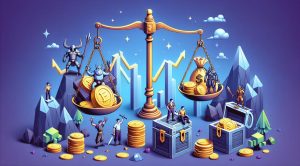
Supply and demand exist in virtual spaces just as they do in real world markets. If too many powerful items exist the game suffers from inflation where new content becomes trivial. If rare items are impossible to obtain players feel frustrated. Balancing supply and demand means tuning drop rates reward sizes and crafting costs. Live monitoring using in game telemetry helps teams adjust values quickly when imbalance appears. Successful games often iterate their economy long after launch to maintain balance.
Common Problems: Inflation Deflation and Exploits
Several issues commonly afflict game economies. Inflation occurs when too much currency or too many items enter the system. That reduces the perceived value of rewards. Deflation can occur if currency sinks are too strong creating scarcity that stalls player progression. Exploits and duplication bugs can break trust instantly. To protect the economy studios need robust logging fraud detection and a plan for rollback or compensation that preserves fairness.
Design Tools: Currency Sinks Scarcity and Progression Curves
Currency sinks are tools designers use to control money supply. Examples include cosmetic shops upgrade costs and repair fees. Scarcity can be enforced through time gated content limited time events or crafting systems that require rare components. Progression curves map how fast a player should rise in power and access advanced content. Designers often use spreadsheets models and simulations to forecast how players will interact with systems across weeks and months. Iteration from live data is crucial because player behavior varies from theoretical models.
Monetization Strategies that Respect Players
Monetization must balance revenue generation with fair play and long term retention. Many studios use mixed models such as premium purchases season passes and optional micro transactions. Key to success is perceived fairness. If players feel coerced or punished by pay to win mechanics they will leave. Using cosmetic revenue streams and convenience options often generates income while keeping competitive balance intact. Communicate clearly about odds for random reward mechanics and provide alternate paths to important content to maintain trust.
Analytics and Live Tuning
Data drives modern economy design. Analytics can reveal bottlenecks where players stop progressing and items that are under used. Common metrics include currency velocity time to next purchase churn rates and retention cohorts. Live tuning pipelines let teams deploy small changes safely and measure effects on user behavior. A rigorous experiment culture using controlled tests helps find optimal parameter sets without risking the entire player base.
Community and Player Driven Markets
Many games benefit from player driven markets and social systems like auction houses player trading and crafting economies. These systems increase player agency and create emergent gameplay. They also require governance to prevent fraud market manipulation and toxic trade practices. Moderation tools reputation systems and trade limits are common controls. Well designed player markets can extend the lifetime of a game by creating meaningful social loops.
Case Study Examples
Classic examples show how economy choices shape outcomes. A game that relies too heavily on rare drops may frustrate players who cannot obtain core items. Conversely a game that rewards steady engagement with predictable progression often maintains higher retention. Mobile titles that focus on cosmetics tend to keep competitive balance while driving steady revenue. Multiplayer titles must carefully isolate performance boosting items from purchasable goods to protect fairness.
Tools and Resources for Designers
Designers should use a mix of prototyping tools spreadsheets and production telemetry. Reading postmortems and community feedback helps uncover subtle issues that numbers alone may not show. For ongoing education and thought leadership visit gamingnewshead.com where you can find in depth articles case studies and interviews that cover game design theory and applied economy tuning. Continuous learning from other teams saves time and prevents repeating mistakes.
Psychology of Value and Player Motivation
Economy design is also about psychology. Players value certainty progress and social recognition. Reward schedules that mix predictable gains with rare high value outcomes can maintain excitement. Giving players clear goals and multiple paths to achieve them increases satisfaction. Social rewards such as leaderboards guild prestige and cosmetic displays multiply perceived value without adding power disparities.
Future Trends in Virtual Economies
Looking forward economies will continue to evolve with technology. Cross title value transfer player crafted content and more sophisticated simulation tools will change how teams approach balance. At the same time ethical and regulatory considerations about loot boxes and paid randomness will shape design choices. Teams that focus on transparency fairness and player experience will likely succeed in the new landscape. For mental focus and tools to enhance creative output teams and solo designers may explore resources offered by trusted partners such as FocusMindFlow.com which provide strategies for productivity and cognitive clarity that help during intense development cycles.
Conclusion
Game economy design is a blend of art science and careful iteration. It influences player happiness retention and revenue streams across the life of a title. By focusing on clear currency roles balanced supply and demand and respectful monetization designers can create systems that feel fair and rewarding. Use analytics community feedback and continuous testing to adapt and refine the economy so it remains healthy and sustainable for players and the studio alike.