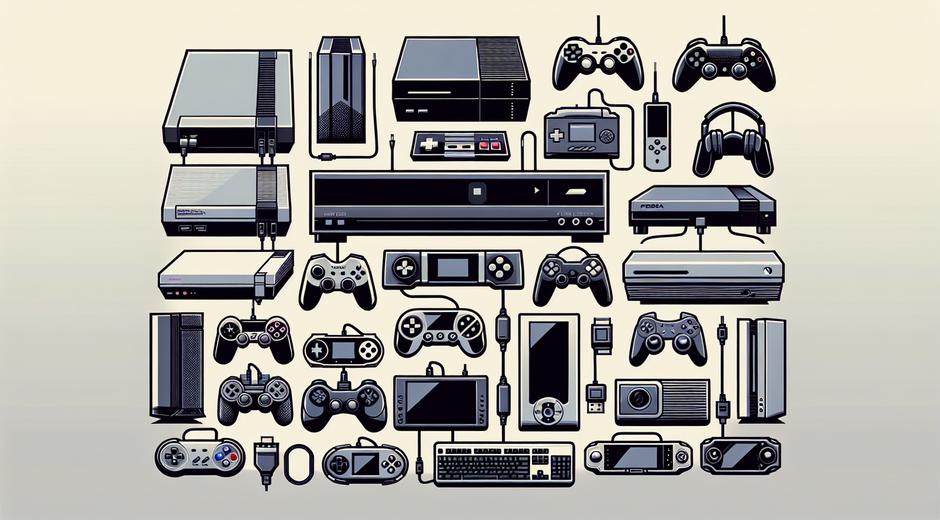


Gaming Platforms A Complete Guide for Players and Creators
Gaming Platforms shape how people play create and share games every day. From powerful home consoles to pocket sized mobile devices cloud services and dedicated PC stores the options are vast and evolving fast. Whether you are a casual player a competitive gamer or a developer choosing the right gaming platform matters for performance cost reach and long term growth. This guide explores the main types of gaming platforms what distinguishes them and how to make smart choices that match your play style or business goals.
Understanding Gaming Platforms
The term Gaming Platforms refers to the hardware and software environments where games run and where players interact with content. A platform can be a physical device such as a console or mobile phone a software ecosystem like a digital store a subscription service or a cloud based system that streams gameplay. Each platform offers a mix of unique advantages and constraints that influence game design distribution models monetization and the user experience.
For players platform choice influences game library social features control schemes and performance. For developers platform choice affects development tools required distribution costs certification rules and audience size. For publishers platform choice shapes marketing channels and revenue models. With so many options it is important to understand the core categories of platforms and how they differ.
Major Types of Gaming Platforms
Console Platforms
Consoles are dedicated gaming machines that connect to a display and provide a consistent hardware target for developers. Consoles deliver high quality graphics and local multiplayer options and they often include exclusive titles that drive platform loyalty. Popular consoles appeal to mainstream audiences and are strong for living room gaming experiences.
PC Platforms
Personal computers offer flexibility and raw power. PC gaming covers a wide range of hardware from compact laptops to custom rigs that push graphical fidelity. The PC ecosystem includes digital stores community platforms and mod support that extend game life. Developers often appreciate the open nature of PC platforms that allow for direct updates community mods and varied control schemes.
Mobile Platforms
Mobile platforms bring gaming to billions of devices worldwide. Touch controls and access to massive user bases make mobile ideal for casual and social games while recent hardware improvements enable more complex experiences. Mobile platforms also emphasize short session play monetization through ads or in app purchases and rapid iteration via frequent updates.
Cloud Platforms
Cloud gaming platforms stream gameplay from remote servers to a variety of devices. This model removes the need for high end hardware on the user side and makes premium titles available on low spec devices. Cloud platforms simplify access and reduce barriers to trying new games but rely on fast stable internet connections to deliver smooth experiences.
Subscription and Digital Store Platforms
Subscription services bundle large libraries for a recurring fee while digital stores act as marketplaces where players purchase or download games individually. These platforms change how players discover titles and how developers earn revenue. Curated services highlight select games while open stores allow wide diversity and user driven discovery.
Key Factors to Consider When Choosing a Gaming Platform
Catalog and Exclusive Titles
The available library matters. Some games are exclusive to specific platforms and exclusives can be a major reason to choose one platform over another. If a platform hosts the titles you love or those that match your community goals that factor should weigh heavily in your decision.
Performance and Controls
Different platforms offer distinct performance profiles and control options. Consoles and high end PCs deliver stable performance for immersive experiences while mobile platforms favor convenience. Consider which control methods best suit your preferred genres and how performance affects competitive play.
Community and Social Tools
Online features matter for multiplayer titles. Matchmaking voice chat friend lists and community tools vary by platform and can influence how you connect with other players and grow a community. Platforms that support streaming and sharing may also help creators expand their audience.
Development Tools and Costs
For developers the ease of development publishing fees and platform policies shape the path to market. Some platforms require certification processes or take a percentage of sales. Others allow more open access. Evaluate the cost and effort required to reach your target audience.
Monetization Options
Monetization models differ widely. Paid games subscription revenue ad revenue and in app purchases each work better on certain platforms. Choose a platform that aligns with your preferred monetization approach and the expectations of your audience.
How Developers Optimize for Multiple Platforms
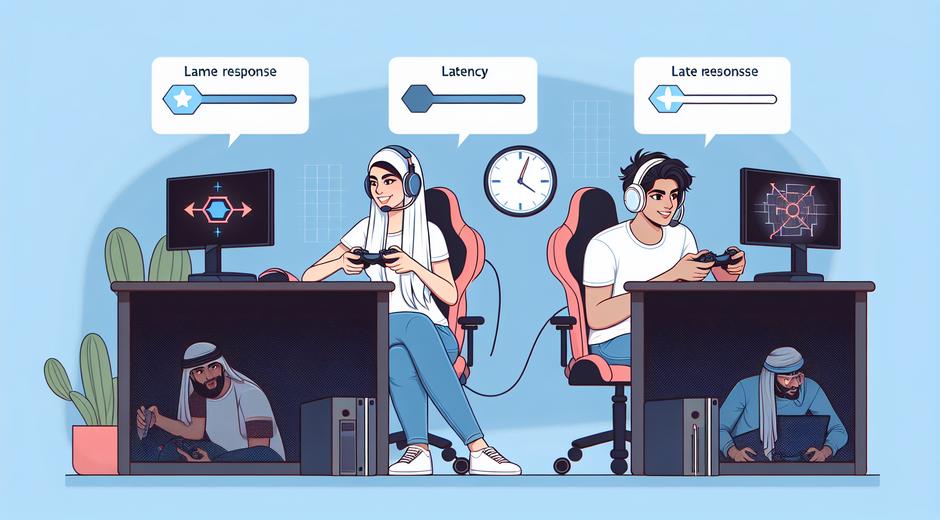
Multi platform release allows developers to reach wider audiences but it adds complexity. Successful cross platform strategies include designing flexible user interfaces using cross platform engines and planning scalable art and performance budgets. Testing on actual devices early and often helps identify platform specific issues with controls latency or performance. Building a strong launch plan for each platform and tailoring marketing messages to platform communities increases visibility and player adoption.
Community engagement and listening to player feedback helps fine tune experiences per platform. Post launch support and patches keep players happy and extend the life of a title across ecosystems.
Monetization and Player Expectations
Player expectations vary by platform. Mobile players often expect free to play titles with optional purchases while console and PC audiences commonly accept full price purchases for premium experiences. Subscription services bring a different expectation where continuous value and a rotating library matter. Aligning monetization with platform norms improves player satisfaction and long term revenue potential.
Discoverability and Marketing
Getting noticed is a key challenge across platforms. Each platform provides discovery tools such as featured sections editorial picks and promotional events. Working with platform curators building a strong social presence and leveraging live streams help boost discoverability. Combining organic community building with paid marketing increases the chance that your game reaches the right players at the right time.
Future Trends in Gaming Platforms
Cloud gaming expansion will make premium titles accessible on more devices and reduce the barrier to entry for players without high end hardware. This shift will change expectations for instant access and seamless cross platform progression.
Integration across platforms will grow as players expect to access content on multiple devices and retain progress. Cross platform play and shared stores help create unified communities and increase retention.
New forms of monetization and subscription models will evolve to balance player value and developer revenue. As services mature more players will opt for subscription access to libraries and new bundles that combine games with other forms of media will appear.
Keeping up with industry news and analysis helps both players and creators make informed choices. For commentary on how major media and news outlets cover gaming trends check Newspapersio.com for broader context and updates.
Practical Tips for Players and Creators
Players should consider where their friends play and which platform hosts the games they love most. Budget and long term value matter when choosing between buying individual titles and subscribing to a service. Test free trials and demos before committing to a purchase.
Creators should evaluate target audiences platform rules and revenue splits. Build with cross platform engines where possible and prioritize strong user experience on each target device. Use analytics to guide updates and community feedback to shape post launch road maps.
For news reviews and platform guides tailored to the gaming community visit gamingnewshead.com where you will find expert analysis tips and coverage across the entire ecosystem.
Conclusion
Gaming Platforms continue to evolve and shape how content is experienced created and monetized. Understanding the strengths and limits of consoles PCs mobile cloud and subscription based platforms helps players find great experiences and helps developers reach the right audience. The ideal approach often blends platform strengths thoughtful monetization and strong community engagement. Stay informed adapt to new trends and choose platforms that support your play style creative goals and long term vision.