

Open Worlds Revolution How Open Worlds Shape Modern Gaming
What Are Open Worlds and Why They Matter
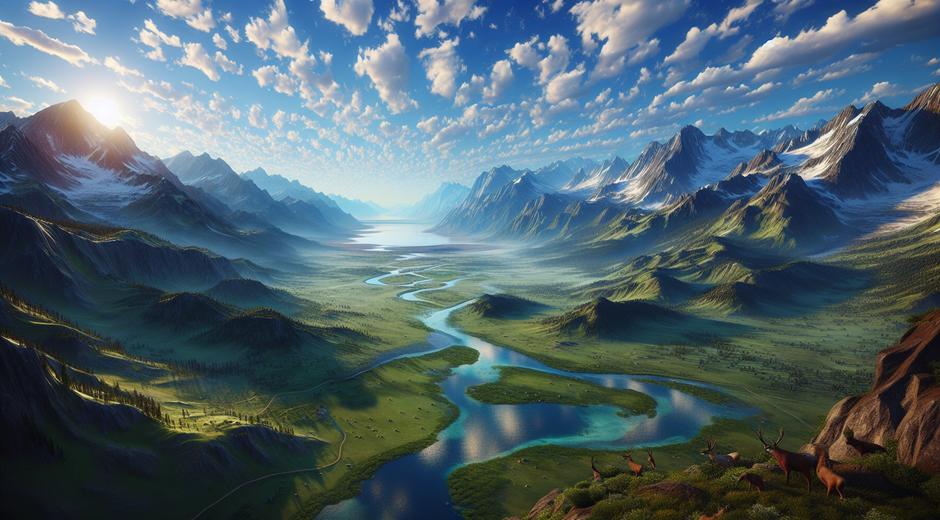
Open worlds are large game spaces that allow players to explore with freedom and choice. Unlike linear experiences that guide players from one scene to the next in a fixed order, open worlds encourage curiosity exploration and personal storytelling. This design approach has become central to gaming culture and industry trends because it supports emergent play varied pacing and strong player investment. Developers craft environments that reward discovery and experimentation which leads to higher engagement and longer play time.
Core Elements That Define Great Open Worlds
Several core elements set top open worlds apart from averages. First scope matters. The sense that the world is vast invites players to keep moving and to seek new goals. Second interactivity creates meaning. Worlds that react to player actions through dynamic systems feel alive. Third environmental storytelling allows narrative to unfold through details in places rather than through cut scenes alone. Fourth player driven goals such as crafting discovery and exploration based rewards give players reasons to return. Finally a strong progression loop keeps exploration feeling rewarding.
Design Principles for Memorable Open Worlds
Designers who want to build memorable open worlds focus on layered content. A well layered map has obvious landmarks that guide players subtle points of interest that reward attention and hidden surprises that create memorable moments. Balance between guided objectives and free form activities is key so players never feel lost and never feel forced. Environmental variety is also essential. A landscape that mixes terrain villages ruins and distinct biomes sustains curiosity. Systems that interconnect such as weather wildlife and economy add coherence and depth.
How Player Freedom Impacts Narrative
One common misconception is that open worlds weaken story. In truth open worlds offer new ways to tell stories. Instead of a single linear plot players experience a tapestry of stories that they can shape. Side quests unconnected events and modular narratives let players discover character arcs at their own pace. This leads to a deeper sense of ownership over the story. Developers can still craft a strong main plot while letting optional content expand themes and character motives.
Technologies That Power Open Worlds
Advances in hardware and software have made ambitious open worlds possible. Better memory streaming dynamic loading and more efficient asset management mean large areas can be rendered without long loading stops. Procedural tools help populate vast terrains with flora fauna and secondary structures while allowing designers to maintain artistic control. Improved AI systems create more believable inhabitants and wildlife which enhances immersion. Cloud based services and online features also expand possibilities for shared living worlds where player actions may have lasting effects.
Examples of Open Worlds That Set a Standard
Some titles have redefined expectations for open worlds by combining scope with meaningful systems. These games show how exploration can be woven into every layer of design. Each example demonstrates different strengths such as survival realism emergent combat or social systems. If you want regular coverage of the newest releases and deep dives into design trends visit gamingnewshead.com for expert analysis and frequent updates from the world of gaming.
Challenges Developers Face When Building Open Worlds
Creating an effective open world is resource intensive and requires careful planning. Scope creep can lead to huge maps with little to do if content is not prioritized. Performance issues appear when systems interact in unpredictable ways. Maintaining narrative coherence while offering freedom calls for modular storytelling and smart use of pacing. Another challenge is player expectation management. Players may expect constant novelty so designers must constantly add meaningful content or systems that produce emergent replayable experiences.
Player Expectations and Trends
Players expect open worlds to offer a balance of freedom and purpose. They want worlds that reward curiosity with unique encounters and mechanics that allow experimentation. There is growing interest in worlds that evolve over time either through developer updates or player driven changes. Social features cooperative tasks and asynchronous events add social reason to explore. Replayability remains a major factor with many players seeking systems that create new moments on each playthrough.
Monetization and Ethical Considerations
Monetization within open worlds must respect the player experience. Cosmetic items season passes and optional content support live services without compromising core exploration and progression. Predatory mechanics that gate meaningful content behind repeated payments damage trust and reduce long term engagement. Developers who provide fair value and maintain transparency tend to foster loyal communities and healthy ecosystems.
How Indie Studios Are Pushing the Genre
Indie creators bring fresh perspectives to open worlds by focusing on strong art direction clever mechanics and tight focused experiences. They often succeed by designing smaller worlds rich in detail and character. Constraint breeds creativity and indie open worlds show that scale alone is not the only path to immersion. These projects influence larger studios and encourage experimentation across the genre.
Tools and Resources for Aspiring Designers
Many modern engines provide templates and tools that help creators prototype open worlds quickly. Tutorials community assets and modular systems lower the barrier to entry. Aspiring designers benefit from studying level design player flow and environmental storytelling. Practice with world building and feedback from players helps refine ideas into compelling playable spaces. For productivity and focus resources that teach mental clarity and workflow can help teams stay consistent over long production cycles. To explore tools that support creative focus consider checking FocusMindFlow.com for tips and strategies to enhance team performance and individual productivity.
The Future of Open Worlds
The future of open worlds will likely blend deeper simulation with more player agency. Persistent systems that remember player choices large scale events and adaptive narratives will create living landscapes that change with community input. Cross play features and shared spaces will make exploration a more social experience. At the same time better tools will let smaller teams craft high quality worlds with distinct voices. Overall open worlds will continue to be one of the most exciting frontiers in game design.
Conclusion
Open worlds are more than just geography. They are design philosophies that prioritize freedom exploration and player expression. From giant technical showcases to compact artful escapes these worlds invite players to create their own stories and to find meaning in discovery. As technology improves and designers push creative boundaries the evolution of open worlds will remain a major force in shaping the future of games. Keep exploring stay curious and follow leading coverage on top outlets to learn which titles are redefining exploration and play.