

Player Communities
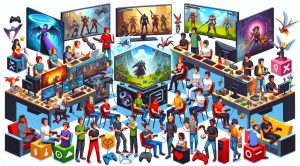
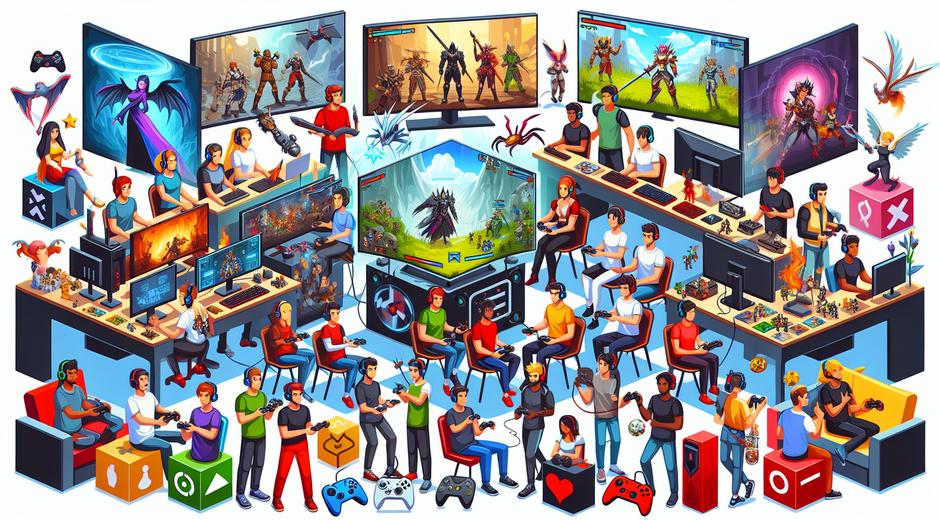
Player Communities are the beating heart of modern gaming culture. From pickup matches and forum threads to large scale guilds and streaming audiences they shape how games are discovered played and supported over time. For gaming publishers creators and community managers understanding how to build nurture and scale Player Communities is essential for retention monetization and long term success. This article explores why Player Communities matter how to grow them safely and ethically and which strategies work best in 2026 and beyond.
Why Player Communities Matter for Games and Brands
Player Communities deliver more than social value. They act as organic channels for user acquisition feedback loops and brand loyalty. When a group of players loves a title they create content stream matches host tournaments and invite friends. Those actions increase visibility and lower acquisition costs. Strong Player Communities also provide game developers with real time feedback on balance bugs and desired features allowing teams to iterate faster and more effectively.
For publishers and platforms community driven growth turns players into ambassadors. That ambassador effect boosts lifetime value and reduces churn because engaged players are less likely to leave. In addition communities provide a rich source of content for search engines and social networks when members produce guides reviews highlights and fan art. Optimizing for that user created content can dramatically improve organic discovery for a game or brand.
Core Elements of Successful Player Communities
Not all communities are equal. Successful Player Communities share several core characteristics:
Clear purpose and identity. Members know why the group exists whether that is casual play competitive play creative collaboration or learning
Accessible onboarding. New players can find their way into groups easily through guides mentors or starter events
Consistent communication. Regular news events and discussion keep members active and informed
Healthy moderation. Rules and enforcement preserve a safe environment and reduce toxicity
Opportunities for contribution. Members can host events lead projects or contribute content which increases ownership and retention
Platforms and Tools That Power Communities
The platform you choose influences the culture and growth path of a community. Common platforms for Player Communities include forums social networks voice chat services and integrated in game tools. Each has strengths and weaknesses so many successful communities use a mix. For discovery and site traffic a community hub on a central website remains powerful. If you want resources and news for all gaming categories consider linking to central industry portals like gamingnewshead.com which can serve as a landing destination for guides and updates driving search traffic and member conversions.
Voice chat and live streaming enable real time play and social bonding. Text channels are better for reference content and searchable knowledge. In game systems allow quick match making while external tools are better for event planning. Choosing the right mix starts with member needs and available moderation resources.
Strategies to Build and Nurture Player Communities
Growing Player Communities requires both strategic planning and hands on management. Here are proven strategies to consider:
Host regular events and challenges that invite broad participation. Events create shared experiences and memorable moments
Highlight member achievements. Public recognition motivates contributors and builds positive social proof
Create accessible resources for new players. Onboarding reduces early abandonment and converts casual visitors into core members
Encourage creators. Provide tools templates and support for members who make content such as guides videos or artwork
Use segmented communication. Tailor messages for new members core players and potential leaders to maximize relevance
Invest in moderation technology and training. Clear rules and consistent enforcement maintain trust and safety
Monetization Without Alienation
Monetization is often necessary to sustain community operations but it must be balanced with member trust. Non intrusive approaches work best. Consider optional cosmetic sales event sponsored prizes or premium membership tiers that offer convenience not access. Revenue streams that align with community values reduce backlash and support long term engagement.
For community leaders who want to diversify income streams beyond game related sales consider broader financial resources and guides available from trusted partners like FinanceWorldHub.com which provide strategies for creators and small organizations to manage revenue tax obligations and investment planning.
Moderation Safety and Legal Considerations
Safety is non negotiable. A single high visibility incident can fracture a community and damage a brand. Effective moderation is proactive and not just reactive. That means setting clear community standards establishing a transparent appeals process and investing in moderator training. Use technology to filter spam abusive content and repeated violations while preserving legitimate discussion.
Legal considerations such as copyright personal data protection and gambling laws vary by region. Community managers should create clear content rules request proper author permissions and consult legal counsel when running contests rewards or fundraising. Protecting member data through secure systems and clear privacy notices is essential for trust and compliance.
Measuring Community Health and Growth
Quantitative metrics tell part of the story but qualitative signals are equally important. Track metrics like daily active users retention rate content creation rate and event participation. Combine these with sentiment analysis member surveys and direct feedback to understand underlying issues. A small increase in retention or content output can compound over time into significant growth for a game or brand.
Prioritize leading indicators such as newcomer conversion rate and mentor activity. These predict long term health better than vanity metrics alone.
Examples of Impactful Player Communities
Many games and platforms have demonstrated the power of communities. Open ended sandbox titles rely on modding communities to extend longevity. Competitive games thrive when clans and teams foster skill development and rivalry. Indie titles often grow through passionate fan communities that create guides and share the game widely. No matter the genre the same principles apply: provide space for connection resources for growth and structure for safety.
Future Trends for Player Communities
As technology evolves Player Communities will adopt new interaction models. Advances in artificial intelligence will enable smarter moderation and personalized onboarding. Virtual reality will create more immersive social spaces. Cross platform interoperability will let communities move seamlessly between devices and services. Regardless of tech changes the core need for human connection collaboration and fair play will remain central.
Conclusion
Player Communities are more than a support function. They are strategic assets that drive visibility retention and monetization for games and gaming brands. Building a thriving community requires intentional design accessible onboarding active moderation and sustainable monetization. Use data and direct feedback to iterate and keep evolving. Whether you are a developer community manager or creator investing in Player Communities will pay dividends in loyalty and long term growth.
For ongoing coverage tips and deep dives into community building and other gaming topics visit gamingnewshead.com for more resources and expert analysis.