

Esports Ecosystem: The Complete Guide to Growth and Opportunity
The Esports Ecosystem has matured from niche tournaments to a global industry that touches media sponsorships team management player development and live event production. Understanding this ecosystem is essential for industry professionals content creators sponsors and fans who want to follow trends and find new opportunities. In this article we break down the core components of the Esports Ecosystem and explain how each piece connects to form a thriving competitive gaming market.
What the Esports Ecosystem Includes
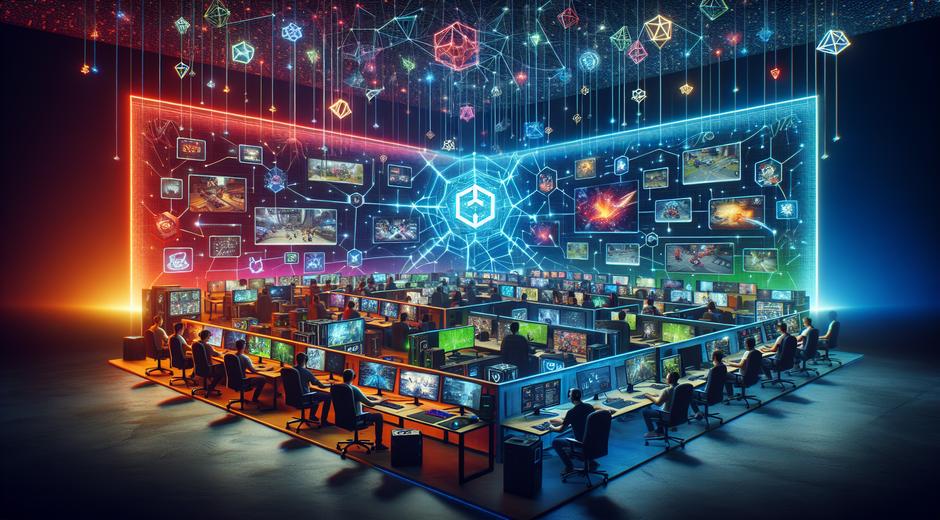
The Esports Ecosystem is made up of interlocked elements that range from grassroots community events to global media rights deals. Key components include players and teams event organizers tournament platforms game publishers broadcasters sponsors and the community that follows every match. Each component has its own revenue streams and challenges yet all depend on healthy competition and engaged audiences.
Players Teams and Talent Development
At the center of the Esports Ecosystem are players and teams. Talent development programs academies and scouting pipelines help produce high level competitors. Clubs invest in coaching nutrition and mental performance to improve results and protect player careers. Player value extends beyond match results through content creation partnerships and social influence which feed back into team branding and monetization.
Publishers and Game Titles
Game publishers shape competitive circuits by setting rules providing technical support and often running official leagues. The longevity of an Esports Ecosystem can depend on how publishers balance competitive integrity with broader game updates and monetization. Games that stay relevant provide ongoing opportunities for tournaments and new content formats which in turn attract more viewers and sponsors.
Tournaments Media and Broadcasting
Tournaments are the public face of the Esports Ecosystem. Organizers create formats from single day cups to seasonal leagues and large international finals. Media partners and streaming platforms distribute matches to millions of viewers while offering monetization via ads subscriptions and exclusive content. Advances in broadcast technology such as integrated stats talent overlays and multi language streams increase viewer engagement and open new ad inventory for sponsors.
Sponsorships Brands and Commercial Partnerships
Sponsors provide essential revenue across the Esports Ecosystem. Brands seek authentic integration into content and live experiences that match their target demographics. Successful partnerships move beyond logo placement into long term activations that include content series influencer collaborations and fan experiences. As a result brands gain measurable awareness while teams and events secure financial stability.
Venues Live Events and Fan Experience
Live events are where the Esports Ecosystem becomes tangible. Venues host fans players and production teams creating an atmosphere that boosts fan loyalty. Enhancing the fan experience from merchandise zones to interactive booths increases per attendee revenue and helps convert casual viewers into active supporters. Cities that invest in event infrastructure benefit from tourism and local job creation tied to Esports events.
Technology Infrastructure and Data
Technology underpins every part of the Esports Ecosystem. Reliable networks streaming encoders tournament management systems and anti cheat measures ensure fair competition and smooth broadcasts. Data analytics provide insights on player performance viewer behavior and monetization patterns. Teams and organizers that leverage analytics gain competitive advantages in scouting training and content optimization.
Regulation Ownership and League Structures
As the Esports Ecosystem grows legal frameworks and league governance become more important. Ownership models vary from franchise systems with fixed slots to open qualifiers that reward grassroots success. Clear contract standards and labor protections ensure player welfare and long term investment. Regulators and industry bodies are increasingly involved to ensure transparency and stable growth.
Revenue Streams and Monetization
The Esports Ecosystem supports diverse revenue streams. Direct revenue comes from sponsors ticket sales merchandise and media rights. Indirect revenue includes content monetization commerce partnerships and influencer driven sales. New models such as virtual goods and fan token systems create additional income streams while offering fans novel ways to participate and show support.
Community Content Creators and Social Media
Community and creator driven content feeds the Esports Ecosystem with highlights show matches and behind the scenes access. Influencers and streamers expand audience reach and humanize players by showcasing personality and lifestyle. Social media campaigns that amplify match moments and player interactions turn casual viewers into loyal followers who support teams and sponsors across multiple platforms.
Investment Trends and Market Outlook
Investment has shifted from speculative bets to strategic funding focusing on sustainable business models. Franchise fees infrastructure investment and media deals signal investor confidence in the long term potential of the Esports Ecosystem. Market forecasts show steady audience growth and increasing mainstream adoption of competitive gaming as a form of entertainment.
Challenges Facing the Esports Ecosystem
Despite strong growth the Esports Ecosystem faces challenges that include player burnout inconsistent tournament calendars regulatory uncertainty and the need for scalable revenue models. Addressing these issues requires coordinated efforts from publishers leagues teams and investors along with community feedback to design ecosystems that support both competition and commercial viability.
How Media Outlets Can Cover the Esports Ecosystem
Quality reporting helps the ecosystem by explaining complex deals profiling rising talent and highlighting innovations in event design and technology. Dedicated gaming outlets provide real time results analysis and long form features that document the evolution of teams and leagues. For continuous coverage and industry analysis visit gamingnewshead.com for news guides and deep dives tailored to fans and professionals.
Opportunities for New Entrants
New entrants can find opportunity in niche content production talent development event services and analytics tools. Startups that solve specific pain points such as scheduling match integrity or fan engagement can find partners among established teams and venues. For opinion pieces on the broader implications of competitive gaming on culture and policy see perspectives on Politicxy.com.
Future Directions for the Esports Ecosystem
Looking ahead the Esports Ecosystem will continue to professionalize with stronger governance improved player welfare and deeper brand integrations. Technology advancements such as immersive viewing and personalized content will reshape how fans consume matches. Markets outside traditional regions will adopt competitive gaming leading to greater global parity and more diverse talent pools.
Conclusion
The Esports Ecosystem is an interconnected network of people platforms and commercial interests that together create a dynamic entertainment industry. Stakeholders who invest in sustainable practices player development and fan centric experiences will shape a resilient ecosystem that benefits players fans and businesses alike. Careful attention to governance technology and monetization will ensure that the Esports Ecosystem continues to expand while maintaining competitive integrity and cultural relevance.