

Level Design Principles Every Game Creator Should Master
Level design principles shape player experience from the first step into a world to the final win. Whether you are building a compact mobile stage or an expansive open world, understanding core principles helps you craft spaces that feel organic and engaging. This article explores essential ideas for level design that improve flow challenge and discovery while keeping players immersed and motivated to continue.
Start with a Clear Player Journey
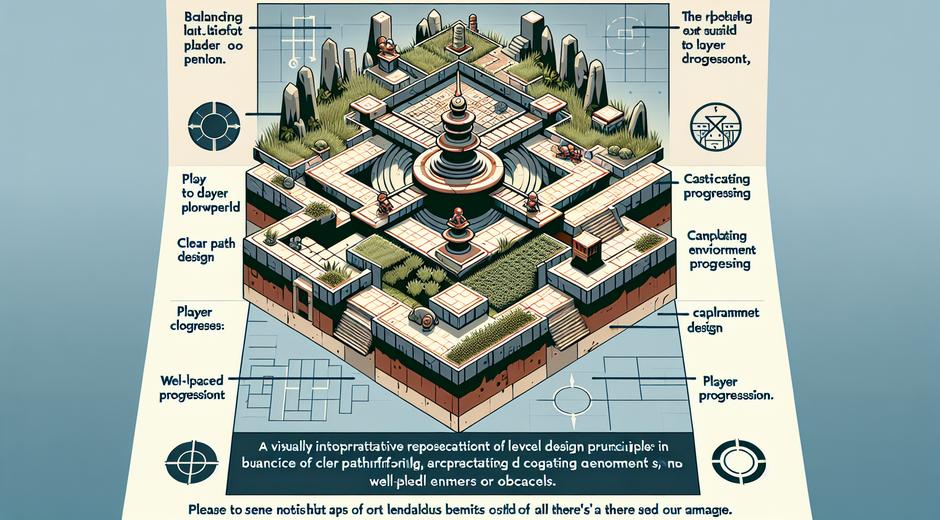
Great level design begins with a clear idea of the player journey. Map out the intended path through each area but allow for variations in approach and play style. Consider what the player should learn at each stage and how each encounter teaches a new skill or reinforces a mechanic. Early sections serve as gentle tutorials while later areas test mastery. By focusing on the journey you can create pacing that feels natural instead of artificial.
Design for Readability
Players must quickly understand what is interactable and what is part of the background. Visual hierarchy plays a key role in readability. Use contrast lighting and scale to highlight important objects and routes. Materials and color palettes can separate navigable paths from decorative elements. Good readability reduces frustration and helps players make confident decisions which in turn increases player flow and retention.
Balance Challenge and Reward
Effective level design balances tension and release. Place challenges so that difficulty increases gradually and players can feel progression. Reward systems that align with challenge scale boost motivation. Rewards do not always need to be items or points. New vistas narrative beats or meaningful choices can feel like rewards when timed well. Design loops that offer short term satisfaction along with long term goals to keep engagement high.
Use Landmarks and Focal Points
Landmarks help players orient themselves and remember paths. Large distinct structures unique color schemes or compelling silhouettes act as reference points in complex spaces. Focal points draw attention and guide movement when placed purposely. Combine visual landmarks with audio cues or interactive elements to reinforce navigation. Landmarks are also powerful tools for storytelling as they can embody lore or hint at upcoming challenges.
Guide with Space and Sight Lines
Level geometry directs player movement even without explicit signs. Sight lines and open corridors suggest where to go next while enclosed spaces foster tension and exploration. Create routes that reveal just enough to spark curiosity but keep key details hidden until the player gets closer. Use elevation changes to add vertical interest and to create layered encounters. Thoughtful control of sight lines prevents players from feeling lost and encourages purposeful exploration.
Encourage Exploration with Risk and Reward
Give players reasons to stray from the main path. Hidden areas optional puzzles and secret caches reward curiosity. Make exploration feel meaningful by tying rewards to player behavior rather than random chance. The best secrets are discoverable through clever observation or by using a learned mechanic. Exploration that requires skill creates memorable moments and increases the perceived value of the world you built.
Pace Encounters to Manage Player Energy
Pacing is the rhythm of your level. Mix combat puzzle and exploration sections to manage player cognitive load. After heavy combat offer a calm area with narrative beats or a chance to collect resources. After an intense puzzle provide a sense of accomplishment and a small reward. Varying encounter length and intensity keeps players from tiring and maintains interest over entire play sessions.
Create Clear Feedback Loops
Feedback is how players learn from their actions. Immediate clear feedback confirms success or indicates failure. Use audio visual and haptic signals to show consequences of choices. When players understand cause and effect they can experiment confidently and develop strategies. Feedback loops also reinforce learning of level mechanics and help players recover from mistakes without excessive frustration.
Iterate with Playtesting and Data
No design is final until players try it. Regular playtests reveal where players get stuck where they feel bored and which parts are most fun. Observe player decision points and collect both qualitative feedback and quantitative metrics. Iteration driven by playtest insights is how small changes become big improvements. Keep tests focused and iterate on one variable at a time to understand impact clearly.
Integrate Story and Mechanics
Level design is more powerful when mechanics and story support each other. Use environmental storytelling to hint at history or character motivation. Let level mechanics reflect narrative themes. For example a crumbling city can use unstable platforms to reinforce a story of decay. When mechanics tell part of the story players feel more invested and the world becomes cohesive rather than a collection of disconnected challenges.
Optimize for Performance and Accessibility
Good level design also considers technical constraints and accessibility options. Optimize geometry and asset streaming so levels load smoothly even on limited hardware. Consider player needs like text readability control remapping and color blind friendly palettes. Accessible design widens your audience and improves overall experience. Simple choices early in design can prevent major rework later in development.
Use Tools to Speed Work and Maintain Quality
Leverage editors procedural placement and modular assets to accelerate level iteration. Tools that allow rapid prototyping let you test new ideas quickly. Maintain a library of reusable elements to keep visual consistency while saving time. For inspiration and utility resources beyond basic design theory you can explore curated collections and tutorials such as those found at Museatime.com which help expand your toolkit and spark new approaches.
Document Design Decisions
Documenting why you made certain choices helps when you revisit a level or hand it off to another designer. Notes about intended player feeling encounter goals and known issues make iteration smoother. A clear design rationale speeds communication with artists programmers and writers and helps align the team around a shared vision for the level.
Learn from Other Games
Study levels from a variety of genres to see how other creators implement core principles. Analyze what works and what does not and consider how to adapt techniques to your project. Keep a living file of level breakdowns and reference images. Sharing findings with a team can generate new ideas and uncover patterns you may not have noticed alone. For ongoing insights and articles about level design trends consider reading guides and case studies on trusted sites like gamingnewshead.com which focus on practical design lessons for all kinds of games.
Conclusion
Level design is a blend of art and craft. By applying core principles such as clear player journeys readability balanced challenge and meaningful feedback you build spaces that players want to explore. Iterate with playtests prioritize accessibility and use landmarks and sight lines to guide movement. With practice and attention to detail you can turn simple maps into memorable experiences that showcase your best design work.