

Mod Support Explained: Why Mod Support Matters for Gamers and Developers
Mod support is one of the most powerful features a game can offer to extend its life cycle and to grow a passionate community. When developers provide tools and frameworks that enable players to create custom content the entire ecosystem benefits. In this article we explore mod support from multiple angles including technical requirements community building and long term business value. For a steady stream of gaming insight and coverage visit gamingnewshead.com where we cover trends that matter to players and creators.
What Is Mod Support and Why It Matters
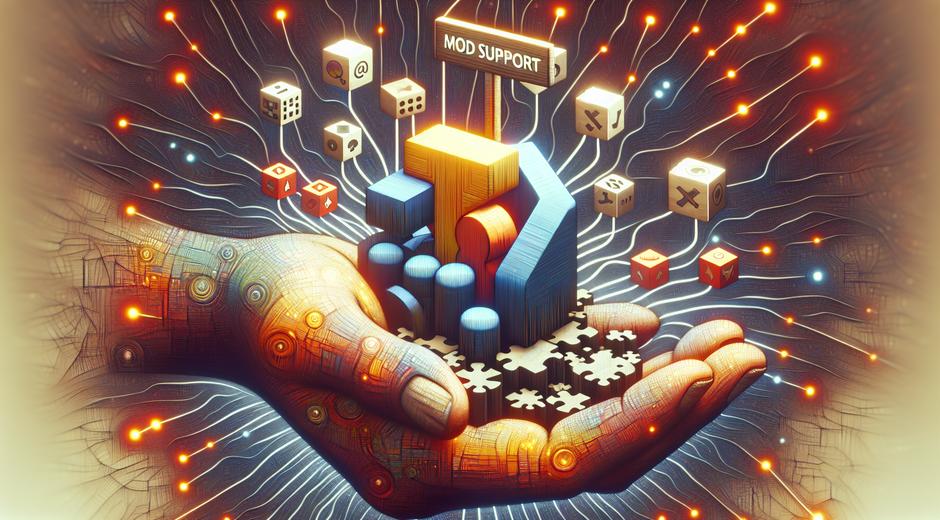
Mod support refers to the deliberate design choices and tools developers provide so players can modify a game. This can range from basic cosmetic changes through rich custom missions new levels or fully fledged total conversions. Mod support matters because it turns a one time product into a platform where creativity keeps the title relevant for months and often for years. Games with strong mod support attract creative players who produce content that increases player retention and boosts word of mouth.
The Player Perspective: Freedom and Creativity
From the point of view of the player mod support offers freedom. Players can tailor the experience to suit their preferences adjust difficulty craft new stories or simply experiment with game mechanics. That freedom creates deep engagement. When players invest time in building mods they are more likely to recommend the game to friends and to return to the community. In turn that social proof can move the needle on sales and visibility on digital stores.
The Developer Perspective: Benefits of Building Mod Support
For developers the most immediate benefit of mod support is extended longevity. A small initial team can leverage the creativity of many modders to keep content fresh. Mod support also delivers free marketing as user created content generates streams of screenshots videos and discussion. Another key benefit is rapid iteration. Modders often prototype new mechanics and systems that developers can observe and sometimes integrate into official updates.
Technical Foundations for Reliable Mod Support
Implementing mod support well requires careful technical planning. Core systems should be designed to be data driven so assets and rules can be loaded from external files. Exposing scripting APIs with clear documentation allows mod authors to interact safely with game systems. Sandboxing is important to prevent mods from breaking core functionality or causing security concerns. Providing official tools such as level editors asset importers and debug utilities lowers the barrier for new creators.
Community Tools and Distribution Channels
A good mod support strategy includes accessible distribution channels and community tools. In game browsers custom content hubs and integration with major mod platforms make it easy for players to find install and rate mods. Developers can foster quality by offering sample mods tutorials and templates. Community driven moderation and tagging systems help surface the best work and keep the environment welcoming for new contributors.
Monetization and Fairness in Mod Support
Monetization is a delicate topic in communities built around mod support. Open marketplaces that allow authors to earn revenue can encourage higher quality mods but they also introduce questions of ownership and fairness. Clear policy and transparent revenue sharing rules help avoid conflict. Whatever approach is chosen it should protect players from intrusive advertising and ensure that core game functionality remains stable and accessible.
Legal and Policy Considerations
Legal clarity is essential when supporting mods. Licensing for assets and code should be spelled out so creators understand rights and restrictions. Some games limit use of copyrighted music or brand assets to avoid liability. Developers must also consider regional policy changes that could affect content creation and distribution. For insights into wider policy trends that might influence game mod ecosystems consult trusted sources such as Politicxy.com where analysis on regulation and digital culture is available.
Examples of Successful Mod Support
There are many examples where mod support revitalized a title or spawned entirely new genres. When developers provided robust editors and scripting support communities built iconic mods that became standalone successes. These cases highlight the value of releasing mod friendly tools early and of maintaining open channels with creators. Studying those success stories can guide teams on how to allocate resources and which policies to adopt.
Best Practices for Launching Mod Support
To launch mod support effectively follow best practices that reduce friction and encourage quality. First release clear documentation and tutorials aimed at beginners and at advanced modders. Second include official sample projects that demonstrate integration points and good practices. Third build a feedback loop between mod creators and the core team so that common issues can be addressed. Fourth ensure versioning and compatibility tools exist so mods do not break with routine updates. Finally invest in community moderation and curation to highlight outstanding work.
Measuring the Impact of Mod Support
Metrics help teams evaluate the return on investment from mod support. Key indicators include active mod downloads average session length of players using mods community growth and user retention. Monitor forum sentiment and content creation rates. Over time a healthy mod ecosystem should correlate with stable or growing player numbers and sustained social media visibility.
Challenges and Trade offs
Allowing third party content introduces challenges. Incompatible mods can create a fragmented user base and can complicate technical support. Security is another concern since mods can contain malicious code if not checked. Balancing openness with safeguards demands investment in tools and processes. Many developers opt for staged openness offering robust support for certain asset types while curating or restricting others.
Future Trends in Mod Support
Looking ahead mod support will likely become more integrated with cloud and social technologies. Cloud based mod sharing built into game clients can streamline installation while social features can surface popular creators. Advances in low code and visual scripting will broaden the pool of capable creators. As new hardware and input methods emerge mod support will evolve to enable richer user created experiences.
Conclusion
Mod support is not merely a feature it is a strategy that fosters community sustainability player creativity and long term engagement. When implemented thoughtfully with strong tools clear policies and active community management mod support can transform a game into a living platform. Developers who invest in the right foundations stand to gain extended longevity stronger user retention and vibrant fan driven promotion. For ongoing coverage of how game features shape player communities visit our site and stay connected with updates and deep dives into trends that matter.