

Procedural Quests A Complete Guide for Game Designers and Fans
Procedural quests are changing how players interact with games by offering dynamic mission creation that adapts to player choices and world state. In this guide we explain what procedural quests are why they matter and how developers can design them to boost replay value and player engagement. Whether you are a designer a writer or a passionate gamer the ideas here will help you understand the strengths and limitations of procedural quest systems and how they can shape the future of interactive storytelling.
What Are Procedural Quests
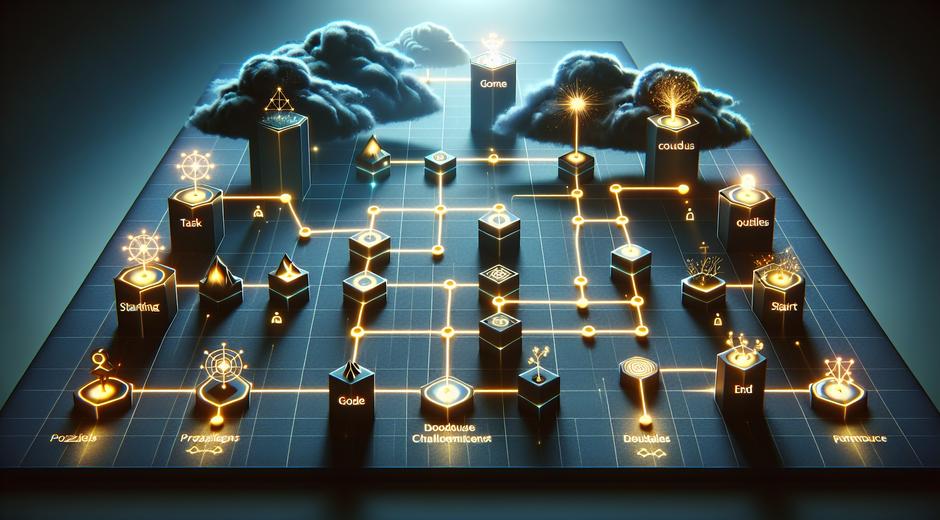
Procedural quests are tasks generated by algorithms rather than manually authored by writers. Instead of a fixed sequence of steps each quest is built from components such as objectives NPCs rewards and conditions so the player experiences unique mission variations on each play session. The key element is that content emerges from rules and content pools which the system assembles at runtime.
Procedural quests can range from simple fetch tasks to complex multi stage arcs that react to world events. They are widely used in open world games roguelikes and persistent online worlds where handcrafted missions alone cannot provide the variety players expect.
Why Procedural Quests Matter for Modern Games
There are several solid reasons to adopt procedural systems for quest creation. First procedural quests increase replay value by providing fresh challenges even after multiple playthroughs. Second procedural design can reduce content creation costs by allowing smaller teams to ship more content than they could by writing every mission from scratch. Third procedural quests can be tuned to player skill and play style improving player retention and satisfaction.
From a business perspective procedural quest systems can also support live service models by feeding players a steady stream of new missions without the need for constant large scale content drops. Fans often discuss such systems and for up to date industry news many turn to trusted portals like gamingnewshead.com for analysis and examples.
Core Components of Procedural Quest Systems
Understanding procedural quest design requires knowing the parts that make up a quest builder. Most systems use these components.
- Content pools Collections of NPCs locations items enemies and events that the system can pick from.
- Templates Quest blueprints that define structure such as goal types trigger conditions and reward ranges.
- Rules Engine Logic that ensures quests make sense by checking prerequisites and preventing contradictory tasks.
- Scaling Systems Methods that adjust difficulty and rewards based on player level or world state.
- Context Awareness Modules Features that let the system incorporate player history faction relations and recent choices.
When these elements work together the result can feel handcrafted because the system leverages context to craft meaningful scenarios rather than random noise.
Design Patterns for Engaging Procedural Quests
Great procedural quest systems borrow patterns from narrative design and apply them at scale. Here are practical patterns that yield engaging missions.
- Goal Layering Start with clear immediate objectives then layer optional tasks and long term consequences to create depth.
- Character Anchors Tie procedural events to recurring characters so players feel ongoing relationships even when missions vary.
- Environmental Hooks Use world events weather and faction conflict as hooks so quests reinforce the live world feeling.
- Reward Variety Mix immediate loot rewards with narrative rewards such as reputation unlocks and story beats.
- Failure as Discovery Allow failure to reveal new opportunities rather than only punishing the player.
Using these patterns helps generate quests that matter to the player and feel consistent with the game world.
Balancing and Tuning Procedural Content
Too much randomness can break immersion so balancing is crucial. Start by defining clear guardrails for each template. Use probability weights for content pool entries to avoid low value or contradictory combinations. Implement sanity checks in the rules engine to prevent impossible or boring scenarios.
Play testing is vital. Track metrics such as completion rates average time per quest and player satisfaction ratings. These metrics indicate whether templates are too long too hard or too repetitive. Iterative tuning of weight values and rewards will keep systems healthy and player trust intact.
Examples from Popular Games
Several modern titles showcase strong use of procedural quests. Some games use procedural missions as a backbone to supply daily challenges while others fuse handcrafted narratives with procedural side missions to create a hybrid approach. Hybrid systems tend to perform well because they keep main story arcs carefully authored while offering endless variation for side content.
Developers who study successful titles will notice a common theme context sensitivity. The best systems do not ignore player history. They build on it creating quests that reference past choices or exploit ongoing conflicts in the world.
Testing Tools and Workflow Recommendations
To build reliable procedural quest systems adopt a workflow that includes automated validation tools and scenario simulators. Automated tests can sample thousands of generated quests and flag issues such as logic contradictions missing assets or pacing anomalies. Scenario simulators allow designers to visualize quest flow and see how templates combine over time.
Keep content pools modular to allow iterating on assets without rewriting templates. Modular content also helps with localization because small units are easier to translate and test.
Player Experience and Storytelling Considerations
Procedural quests must respect player attention. Provide clear signals about goals and stakes so players do not feel lost. Blend procedural events with narrative anchors to maintain a sense of progression. Consider offering short narrative rewards such as unique lines of dialogue or exclusive cut scenes for milestone achievements to reinforce emotional investment.
Feedback channels matter. Let players report odd or broken quests and use that data to refine content pools and rules. Community driven improvement is powerful and for examples of community engagement strategies you may find resources on partner sites such as StyleRadarPoint.com which often highlight cross industry best practices that inspire game teams.
Monetization and Live Service Integration
When integrating procedural quests into live service models think about pacing and fairness. Offer optional cosmetic or convenience items that do not block access to core procedural content. Procedural systems can generate quests tailored to player tiers or to seasonal events which increases perceived value and reduces content churn for the team.
Be transparent about paid content and avoid pay to win mechanics that undermine trust. Instead focus monetization on customization and accelerated progression that remains optional and cosmetic while keeping a steady stream of free procedural missions to maintain active players.
Future Trends for Procedural Quests
Emerging technologies will expand what procedural quests can do. Advances in AI driven dialogue generation and more powerful simulation tools will allow systems to craft more coherent storylines and believable NPC behavior. Procedural narrative engines that track long term player arcs are within reach and will enable deeper personalization at scale.
Cross platform play and cloud streaming will let developers push heavier simulation to servers enabling larger scale procedural scenarios that interact across player communities. These innovations will require tighter tools for moderation and content validation so quality remains high.
Conclusion
Procedural quests are a powerful tool for creating varied and engaging game worlds. When designed with clear guardrails context awareness and player centered rewards they can amplify replay value and reduce content production costs. The best implementations combine algorithmic generation with hand crafted narrative to deliver both breadth and depth.
For designers the path forward is to invest in robust rule engines content modularity and player feedback loops. For players procedural quests promise near endless discovery and emergent stories that make each play session feel new. To keep learning about techniques and industry updates visit gamingnewshead.com and follow expert content that dives deeper into systems design and player psychology.