

Ray Tracing Explained A Complete Guide for Gamers and Developers
What is ray tracing and why it matters
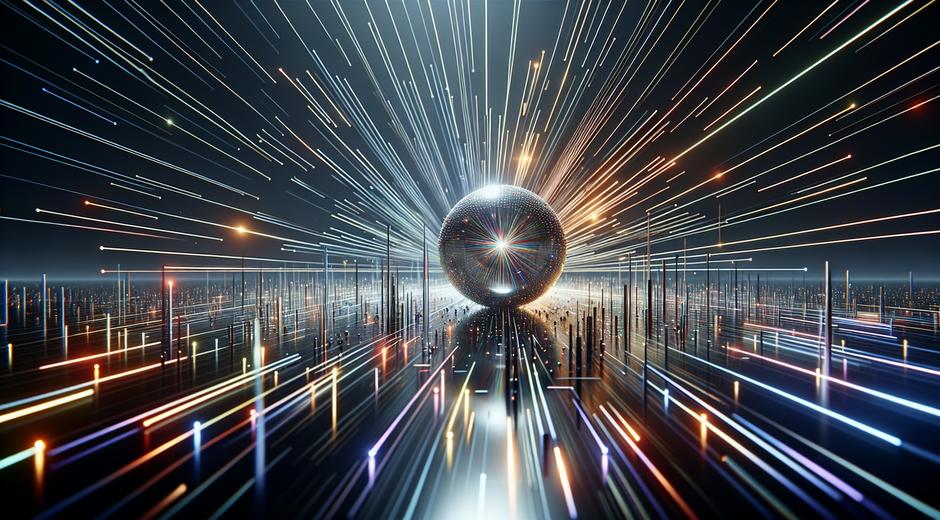
Ray tracing is a rendering technique that simulates how light travels and interacts with surfaces to produce realistic images. Unlike older rendering methods that approximate light with many tricks to save processing power ray tracing models individual light rays to create natural reflections shadows and global illumination. For gamers developers and hardware enthusiasts ray tracing represents a major leap in visual fidelity and immersion.
How ray tracing works in games
At its core ray tracing traces rays from the camera through each pixel and follows them as they bounce off surfaces until they hit a light source or lose energy. Each interaction computes color and intensity based on material properties and light positions. Modern implementations use a mix of ray tracing and traditional rasterization to balance quality and performance. This hybrid approach applies ray tracing where it matters most like reflections and shadows while using rasterization for general scene geometry.
Benefits of ray tracing for gameplay
The most visible benefits include lifelike reflections accurate soft shadows realistic ambient lighting and faithful refractions through transparent surfaces. These improvements increase visual clarity and atmosphere and can even influence gameplay by making environments easier to read. For example glossy floors mirror enemies behind the player subtle shadow cues improve depth perception and realistic lighting helps players quickly identify interactive objects.
Hardware and software requirements
Real time ray tracing requires modern graphics hardware and updated drivers. Major GPU makers have added dedicated ray tracing cores to accelerate these calculations and game engines have integrated ray tracing APIs to expose features to content creators. To get the best experience players should use recent graphics cards updated drivers and the latest version of their game. Developers should profile performance on a range of hardware and provide scalable settings so more players can enjoy ray tracing effects.
Performance considerations and optimization
Ray tracing is computationally intensive which can lead to frame rate drops if used indiscriminately. Effective optimization strategies include limiting ray tracing to key visual features adaptive sampling denoising and resolution scaling. Many games offer toggles that let players choose between image quality and frame rate. For competitive titles a lower level of ray tracing or selective use is often preferred to preserve responsiveness while still delivering improved visuals.
Ray tracing versus rasterization
Rasterization converts 3D geometry into pixels using shaders and clever approximations of light. It is very fast and has been the backbone of real time graphics for decades. Ray tracing provides physically correct lighting but historically lacked the real time performance required for games. Today the two coexist so developers can pick the best tool for each visual element. Rasterization handles broad scene geometry while ray tracing refines specific effects that benefit most from physically based lighting.
Popular games and engines using ray tracing
Many high profile titles now use ray tracing to enhance immersion. Game engines such as Unreal Engine and Unity provide built in support that streamlines integration. Players can find ray tracing in genres from first person shooters to open world role playing games and racing titles. This expansion has pushed both hardware and middleware to evolve rapidly so more developers can ship ray tracing features with reasonable performance targets.
How to enable ray tracing in your games
Enabling ray tracing is usually simple when your hardware meets the minimum requirements. In most games visit the graphics or video settings menu and look for ray tracing options. You may see separate toggles for reflections shadows global illumination and ambient occlusion. Try enabling one feature at a time and test performance to find the right balance. For deeper guidance on hardware compatibility and best settings check resources on trusted gaming sites like gamingnewshead.com where you can find tailored guides and hardware recommendations for popular titles.
Common misconceptions and truths
One common misconception is that ray tracing alone makes a game look photorealistic. While ray tracing greatly improves lighting it must be paired with high quality assets good art direction and post processing to reach photoreal targets. Another myth is that ray tracing always kills performance. With smart use of hardware acceleration denoising and hybrid rendering ray tracing can be implemented with acceptable frame rates on many systems. Finally some assume ray tracing is only for top end systems but scalable implementations and quality presets make it available across a wider hardware range.
Future trends and adoption
Ray tracing adoption will continue to grow as GPUs become more powerful and middleware improves. Expect more games to ship with scalable options more engine toolsets that simplify ray tracing workflows and better driver level support that optimizes common patterns. Cloud gaming may also accelerate adoption by offloading heavy computation to remote servers which allows older local devices to experience advanced visual effects. For industry news and deeper analysis of how lighting technologies shape the gaming landscape consider visiting news aggregators and resource hubs like Newspapersio.com which highlight technical trends and market movement.
Practical tips for players and creators
Players should test ray tracing with in game benchmarks and use quality presets to find a setting that matches their performance target. Enabling variable rate shading dynamic resolution or frame pacing tools can smooth the experience when ray tracing is active. Creators should focus ray tracing on elements that most benefit from realistic light such as water surfaces metal reflections and interior lighting while using denoising algorithms and temporal accumulation to maintain image stability.
Conclusion
Ray tracing is a transformative technology that brings next level realism to games by simulating authentic light behavior. While it adds computational cost modern hardware and smart rendering strategies make ray tracing accessible to a growing audience. Whether you are a player seeking the most immersive visuals or a developer planning to adopt new lighting workflows understanding the strengths trade offs and optimization techniques for ray tracing is essential. Keep exploring tutorials hardware guides and community feedback to make the most of ray tracing in your gaming experience.