

Competitive Gaming The Complete Guide to Skill Growth and Career Paths
Competitive Gaming has moved from hobby to career in a few short years. What was once a niche activity has become a professional sport with global tournaments strong fanbases and real incomes. Whether you are a casual player who loves the thrill of one on one matches or an aspiring pro who wants to build a career this guide will help you understand the landscape the skills you need and how to position yourself for success.
What Competitive Gaming Means Today
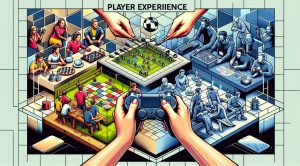
Competitive Gaming refers to organized gaming events where players or teams compete to win matches tournaments or leagues. It covers a wide range of genres from first person shooters and real time strategy to fighting games and sports titles. The ecosystem includes grassroots events local organizers content creators and global leagues broadcast to millions.
At its core Competitive Gaming is about measurable performance constant improvement and the ability to thrive under pressure. Fans love the drama of clutch plays while sponsors and organizers focus on audience engagement and commercial value. For anyone serious about the space understanding both play and business is essential.
Key Skills for Competitive Gaming Success
Success in Competitive Gaming depends on a blend of mechanical skill strategic thinking teamwork and mental resilience. Here are the core areas to develop
- Mechanical Skill Precision responsiveness and consistent aim or input timing
- Game Sense Understanding map control economy pacing and meta shifts
- Communication Effective team communication clarity under stress and role discipline
- Decision Making Rapid situational assessment and risk management
- Adaptability Ability to adjust to patches new opponents and evolving metas
Deliberate practice is the fastest path to improvement. That means focused sessions with clear goals analysis of mistakes and tracking progress. Many top players combine solo drills with match review to create a reliable growth loop.
Designing an Effective Training Regimen
Training for Competitive Gaming should mirror training for physical sports. Consistency intensity and recovery are the pillars. A professional like approach includes
- Warmups Short targeted routines to build muscle memory and mental focus
- Skill Drills Repetition of core mechanics in isolation then in match like settings
- Scrims Practice matches against teams or players of similar or higher level
- Review Sessions Detailed analysis of errors and alternative choices
- Physical Health Regular exercise sleep and nutrition to support cognitive function
Tools that support training include replay systems coaching software and performance analytics. Many teams use third party services to quantify input speed reaction times and positional metrics so they can track gains over time.
Team Dynamics and Communication
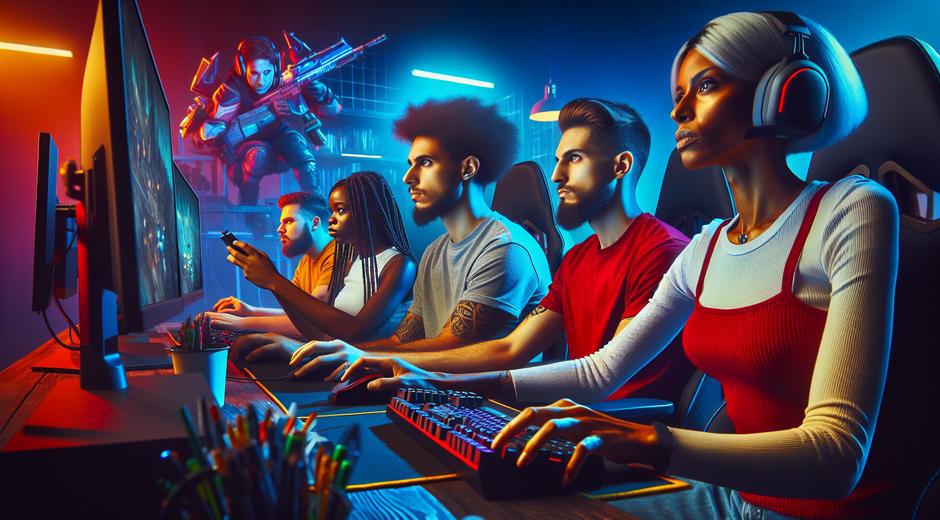
In team based Competitive Gaming communication can make the difference between victory and loss. Clear callouts concise pacing and shared terminology reduce errors. Teams that build trust and a positive feedback culture tend to perform better under stress.
Leadership roles matter. A strong in game leader can coordinate strategies manage tempo and make critical calls in clutch moments. Coaches and analysts provide external perspective helping teams refine strategy counter opponent tendencies and adapt to meta shifts.
Hardware and Setup Essentials
Equipment matters but it will not replace practice. Still having a reliable setup reduces variability and lets your skill shine. Essentials include a monitor with high refresh rate a low latency mouse or controller and a stable internet connection. Ergonomics also plays a role long term so invest in a comfortable chair and a desk arrangement that supports long practice sessions.
Peripherals vary by genre so choose gear that complements your play style. Customizing sensitivity key bindings and display settings can lead to measurable improvements in consistency.
How Tournaments Work and How to Enter
Tournaments range from local events to global championships. Entry pathways include open qualifiers closed qualifiers regional leagues and amateur circuits. A common progression path is local events then online qualifiers and finally live events at higher levels.
Building a strong online profile helps. Consistent performance in ranked play regular participation in open cups and a visible presence on streaming platforms can attract attention from teams and sponsors. Many organizations recruit from public tournaments or their own scouting events so visibility is a practical strategy.
Monetization and Career Paths
Competitive Gaming supports multiple revenue streams. Professionals often combine prize money team salaries sponsorship deals content creation and coaching. Some players focus solely on competition while others build mixed careers balancing streaming and tournament play.
For creators there are subscription models ad revenue brand deals and affiliate partnerships. Many players monetize expertise through coaching sessions and personalized training plans. If your goal is stability diversify your income sources and build a personal brand that extends beyond a single title.
Mental Health Endurance and Long Term Performance
Longevity in Competitive Gaming is tied to how well you manage stress burnout and lifestyle balance. Intense practice cycles and travel can take a toll. Teams and players that prioritize recovery and mental care tend to sustain higher performance across seasons.
Simple strategies include scheduled breaks sleep hygiene physical activity and professional mental health support when needed. Peer support within teams and transparent communication about workload can prevent many common problems.
Technology and Future Trends in Competitive Gaming
Competitive Gaming evolves with technology. Advances in streaming and production make events more immersive. Analytics and machine learning offer deeper opponent analysis and training personalization. Cloud gaming and improved network infrastructure may change how tournaments run making global competition more accessible.
A rising area is cross training across titles. Players who develop transferable skills like spatial awareness and situational decision making can move between genres more easily. Another trend is the professionalization of support roles like data analysts performance coaches and content strategists who help teams scale.
Practical Steps to Start Your Competitive Gaming Journey
Ready to take the first step
- Pick one title and focus on it for a sustained period
- Create a daily practice schedule with clear goals
- Join local groups and online communities to find scrim partners
- Record and review matches to identify patterns and mistakes
- Build a public profile through streaming or social highlights
If you want industry news event coverage and training tips we regularly publish guides and interviews on our site. For more daily coverage visit gamingnewshead.com and keep your finger on the pulse of the scene.
Conclusion
Competitive Gaming is a dynamic field that rewards discipline creativity and community engagement. Whether your aim is to climb leaderboards enjoy high level competition or build a career there are clear steps you can take to improve faster. Focus on deliberate practice team synergy and personal wellbeing while staying adaptable to new trends and tech.
For lifestyle gear deals and curated partner offers check trusted sources that support your growth as a player and as a creator like Romantichs.com which often features products that enhance long sessions and travel to events.
Start small set realistic milestones and celebrate progress. Competitive Gaming is a marathon not a sprint and steady deliberate effort will set you apart over time.