

Multiplayer Evolution Discovering How Shared Play Changed Gaming
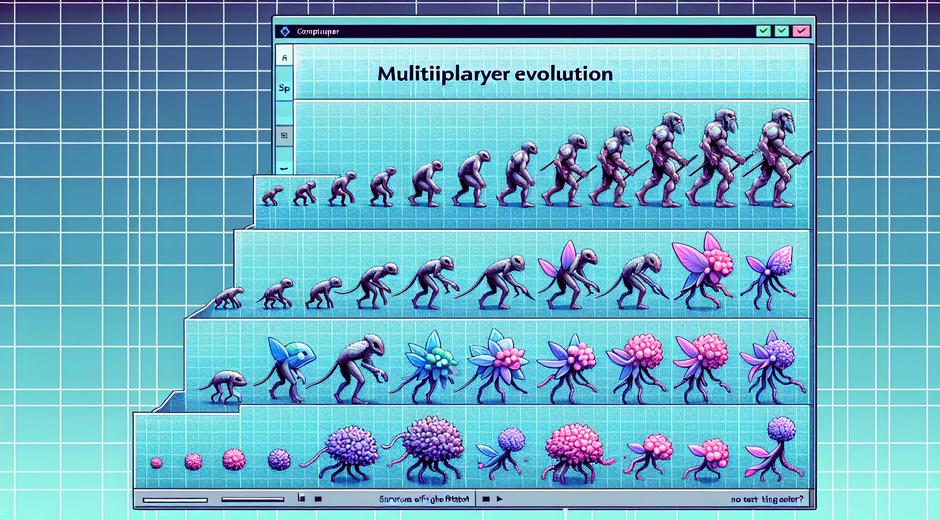
Multiplayer Evolution is more than a phrase it is a lens through which we can track the transformation of games from solo pastimes to global social platforms. From the earliest local link sessions to massive worldwide arenas that host millions of players at once the shift has reshaped design priorities social habits and business models. In this deep dive we explore the key moments technical breakthroughs and cultural shifts that define the Multiplayer Evolution and what it means for players developers and the industry at large.
Early Roots Local Play to Networked Lobbies
The Multiplayer Evolution began with simple experiments in shared play. Early arcade cabinets allowed two players to face each other across a screen and home consoles introduced modes where friends could take turns or compete on a single device. The leap to networked play arrived when modems and local area networks let players connect across distances. This era proved a key lesson that multiplayer was not only a feature but a core appeal. Games started to be designed around shared experiences from the outset and communities began to form outside the game in clubs and magazines.
Technical Breakthroughs That Fueled Growth
Several technical advances accelerated the Multiplayer Evolution. Broadband internet solved latency and bandwidth constraints that once limited match sizes and the fidelity of online interactions. Better servers and cloud services allowed persistent worlds to run with consistent performance. Matchmaking algorithms evolved to pair players of similar skill levels and preferences which made entry less daunting for newcomers. Compression methods and streaming changed how assets are delivered letting developers update content without forcing players to reinstall large files. Altogether these innovations reduced friction and allowed social play to scale beyond what was imaginable a decade before.
Design Shifts From Rules to Systems
As multiplayer became central designers shifted focus from isolated rules to systemic design. Systems connect progression social loops and commerce in ways that keep players engaged over long periods. Developers embraced live operations where content is added regularly and limited time events create shared moments that bring communities together. The Multiplayer Evolution pushed designers to build frameworks that support emergent play letting users create their own stories while the developer supplies tools and structure. That shift is visible in how progression systems guild mechanics and social hubs are now treated as first class systems rather than add on features.
Social Impact Community Tools and Player Expression
Multiplayer Evolution changed how players meet communicate and express themselves. Voice chat and text tools matured into in game social platforms that support clans alliances and casual hangouts. Cosmetic systems such as avatars skins and emotes grew more prominent because they let players express identity without affecting competition. Stream integration created a feedback loop where creators influence game trends and players discover new experiences through live broadcasts. Communities now form around shared values and social rituals not just competitive success.
Economics and New Monetization Models
Monetization models evolved alongside multiplayer design. The Multiplayer Evolution pushed the industry away from one time purchases to models that support ongoing development. Cosmetic sales battle passes and seasonal content now provide sustainable revenue that funds continuous updates. The result is an expectation that games will evolve over time with new content that rewards player investment. That economic shift also created challenges such as balancing monetization with fairness and ensuring new players do not feel locked out of core experiences.
Cross Platform and Cloud Play Breaking Barriers
One of the most visible outcomes of the Multiplayer Evolution is the rise of cross platform play. Players demand to play with friends regardless of the hardware they own and developers now face technical and policy hurdles to enable cross play. Cloud streaming also plays a role by reducing the barrier to entry for devices that lack powerful hardware. These trends expand the potential player base and make communities more diverse. The overall effect is a more inclusive landscape where access matters as much as content.
Competitive Play and Esports As Social Culture
Competitive gaming moved from basement tournaments to packed arenas and televised events. The Multiplayer Evolution created a professional layer where teams organizations and leagues operate similarly to traditional sports. That professionalization raised stakes for balance and fairness and pushed publishers to invest in tournament support spectator modes and anti cheat measures. Esports also fueled broader cultural recognition of gaming as a legitimate form of entertainment and career which in turn encourages more players to explore competitive modes.
Matchmaking and Artificial Intelligence
Artificial intelligence now plays a crucial role in the Multiplayer Evolution. Machine learning helps in predicting player behavior identifying toxic conduct and optimizing matchmaking to create fair and engaging encounters. AI systems also support dynamic difficulty adjustments that keep matches competitive and fun. By automating moderation and tailoring experiences AI allows communities to scale while maintaining quality of play and keeping newcomers engaged.
Security and Fair Play
As multiplayer environments grew so did threats like cheating account theft and coordinated attacks on servers. The Multiplayer Evolution includes the cat and mouse game between developers and bad actors. Robust anti cheat systems secure competitive integrity and trust in game ecosystems. Identity verification account protections and transaction monitoring protect players and commerce. Security is now part of design discussions from launch and ongoing operations.
Design for Accessibility and Inclusion
Another important aspect of the Multiplayer Evolution is the drive toward accessibility. Developers now spend more resources ensuring that players with different abilities can join games. Customizable controls readable user interfaces and options for audio and visual assistance open multiplayer worlds to a wider audience. Inclusion also touches on community management where clear codes of conduct reporting tools and responsive moderation support healthy environments for diverse player bases.
The Role of Media and Coverage
Media coverage and content creators shape how games grow and how trends spread. Websites that focus on gaming news strategy and reviews play a pivotal role by highlighting innovations and covering community stories. For ongoing updates on genres and major shifts in multiplayer design readers often visit trusted sources such as gamingnewshead.com where analysis connects industry moves to player experience. When looking for technical deep dives and partner content many creators direct readers to tech partners that specialize in infrastructure and tools such as Techtazz.com for insights on servers cloud solutions and live operations tools.
Looking Ahead Trends to Watch
What does the next chapter of the Multiplayer Evolution look like? Expect tighter integration with social networks more advanced use of procedural content to create unique player moments and deeper personalization driven by data and AI. Virtual reality and augmented reality may add new dimensions to shared presence while blockchain and new identity systems might offer novel ownership and economy models. Regardless of specific technologies the constant will be social connection. Games that foster meaningful interaction and low friction entry will continue to thrive.
Conclusion The Ongoing Story of Shared Play
Multiplayer Evolution is a story of technology and human behavior woven together. From local couch sessions to global ecosystems multiplayer design now informs almost every decision in game creation. For players the benefits are stronger communities diverse play options and continual new content. For developers the challenge is to design systems that scale are fair and keep players engaged while maintaining a healthy business model. As the industry moves forward the core opportunity remains the same make shared experiences that bring people together and keep them coming back for the next chapter in the Multiplayer Evolution.