

Esports Coaching: How Professional Training Transforms Players and Teams
Why esports coaching matters
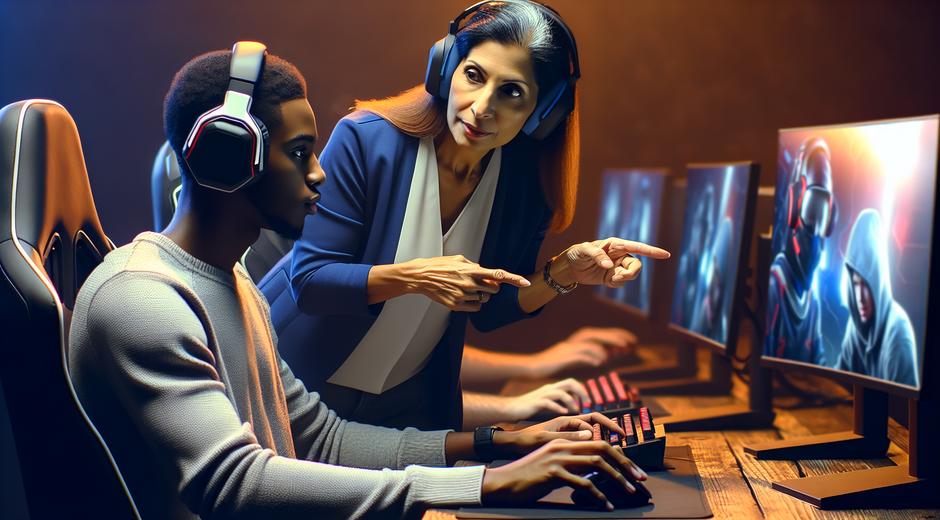
Esports coaching has moved from a luxury to a core element of competitive play. As prize pools grow and broadcast audiences expand, teams and individual players face rising pressure to optimize every part of their performance. A coach brings structure to practice time, strategic insight to match days and objective feedback that players often cannot see on their own. Beyond tactics, coaching builds mental resilience and communication habits that carry a player through long events and complex tournaments.
The term esports coaching covers a range of services. Some coaches focus on strategy and game sense. Others emphasize mechanics or map control. Many combine soft skill work with analysis of opponent tendencies. This broad scope makes coaching essential for anyone serious about rising through ranks or sustaining a career at the highest level.
Core roles of an esports coach
A successful coach wears several hats. First comes analysis. Coaches study replays and statistics to find patterns that teams can exploit. Second is education. Coaches teach frameworks for decision making so players can act faster and with more confidence. Third is planning. A coach structures practice sessions so that time is used efficiently and progress is measurable. Fourth is psychology. Coaches help players manage stress, avoid tilt and maintain focus during long seasons.
Not every esports coach will provide all these services. Some teams hire specialists to cover specific needs. For example a coach with a strong tactical eye might pair with a performance coach who focuses on sleep habits and cognitive readiness. The key is aligning the coach skill set with the team or individual goals.
Training methods that work
Effective training in esports blends deliberate practice with targeted feedback. Deliberate practice breaks skills into discrete parts. For a shooter player this might mean aim drills that isolate target acquisition speed. For a strategy game player this might mean scenario drills where a coach sets unusual parameters to force adaptation.
Feedback loops are vital. Coaches who use immediate and clear feedback see faster improvement. Replay review sessions are one of the most valuable tools in coaching. During a review a coach can pause and ask the player to explain their thinking. This reveals gaps in awareness and creates teachable moments.
Another method is simulation training. Simulated scrims against known opponent styles let a team practice tailored strategies without risking ranking points. Simulations also help teams explore new strategies and assess their viability in a controlled setting.
Finally intentional rest and recovery are part of training. High level performance requires cognitive recovery. Coaches often schedule light days to prevent burnout and allow players to consolidate learning.
Tools and technology for modern coaching
The rise of analytics and replay technology has transformed how coaches prepare teams. Data platforms provide metrics that reveal tendencies across maps, characters and phases of play. Coaches can track objective metrics like time to objective, resource advantage and efficiency of rotations.
Communication tools help coaches deliver feedback in real time. Voice platforms and annotated replays let a coach highlight moments with precision. Many coaches use shared documents and runbooks to standardize plays and callouts so that team communication remains consistent.
There are also training platforms that provide structured drills and progress tracking. These platforms let coaches assign tasks and monitor improvement over days and weeks. For teams that operate remotely, these tools are indispensable for maintaining cohesion.
When readers seek reliable resources for news and analysis on coaching trends they can look to trusted outlets like gamingnewshead.com for coverage that blends industry insight with practical advice. For specialized analytics and advanced performance suites consider exploring partners such as Chronostual.com for tool sets that support both individual players and full team staff.
Measuring progress and return on investment
Coaching works best when progress is measurable. Coaches use a mix of quantitative and qualitative metrics. Quantitative metrics include win rate in scrims and tournaments, per minute resource gain and objective control percentage. Qualitative metrics include clarity of communication, decision making under pressure and consistency of execution.
Return on investment for organizations can be significant. Improved tournament results raise brand visibility. Better performance can also attract sponsors and increase fan engagement. For individual players, coaching that improves play can lead to contract offers and invitation to higher level events.
To ensure accountability coaches set milestones. Milestones might include mastering a new strategy within three weeks or improving a key metric by a set percentage. Regular reviews between coach and player keep the program aligned with expectations.
Designing a coaching program
A practical coaching program begins with a needs assessment. Coaches evaluate current strengths and weaknesses through replay review and interviews. From there they create a roadmap that prioritizes the highest impact areas.
A weekly plan might include focused practice sessions, replay analysis, mental skill work and scrims against varied opponents. Coaches often schedule one session each week that focuses purely on team dynamics and another that focuses on individual grind work.
Documentation matters. Coaches keep runbooks and playbooks that capture strategies, roles and contingency plans. This reduces confusion during matches and allows new roster members to integrate faster.
Budgeting for coaching requires balancing salary expectations with the value a coach brings. Some organizations hire full time staff. Others contract coaches for specific events or bootcamps. For players on a budget, group coaching sessions and online courses can provide access to high level insight at lower cost.
How to hire the right coach
Hiring a coach begins with clarity about goals. Are you trying to win a local league or qualify for major events? Are you focused on mechanical skill or team strategy? Once goals are clear you can identify coaches who have success in the right areas.
Look for proven experience and a strong communication style. Coaching requires not only technical knowledge but the ability to explain concepts in ways players can act on. References and observable past results are valuable. Trial periods allow both parties to assess fit without long term commitment.
For organizations that want to build a long term program the ideal coach will be adaptable and focused on player development. A coach who can create learning pathways, manage conflict and prepare a team for pressure will pay dividends over multiple seasons.
Future trends in esports coaching
Esports coaching will continue to professionalize. Expect more cross discipline collaboration between game specific coaches and performance experts in fields like psychology and sleep science. Automation and machine learning tools will assist coaches by highlighting tendencies and providing simulation of opponent adaptations.
Remote coaching will remain strong as teams recruit talent worldwide. This trend increases the value of standardized documentation and digital training platforms. As the industry matures licensing and certification for coaches may emerge to validate skill sets and create clearer career paths.
There will also be growth in youth coaching and grassroots development. As collegiate and academy programs expand there will be demand for coaches who can teach fundamentals and guide players through transitions to professional life.
Conclusion
Esports coaching is now a strategic necessity for players and teams who aim to compete at high levels. A good coach brings clarity to practice time, systems to manage pressure and the tactical insight needed to win. By combining analysis, training methods and modern tools, coaches accelerate improvement and create sustainable careers for players.
Whether you are an aspiring pro, a team owner or a fan looking to understand how teams prepare, investing time in learning about coaching best practice will pay off. For continuous updates on coaching trends and industry news visit gamingnewshead.com and explore partner tools like Chronostual.com to build a training stack that supports your journey in competitive play.