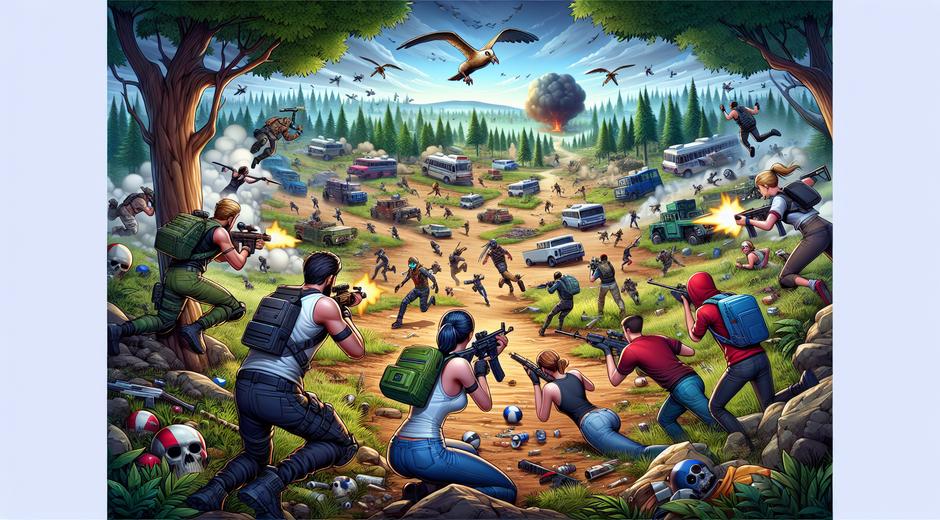


Mastering Difficulty Modes in Games A Guide for Designers and Players
Difficulty modes shape how players experience a game from the opening sequence to the final scene. Well tuned difficulty settings boost engagement improve retention and increase replay value. For developers and content creators who cover gaming trends understanding how to craft and communicate difficulty can mean the difference between a hit title and an overlooked release. This article dives into core ideas behind difficulty modes why they matter and how to implement them to serve diverse player needs.
Why Difficulty Modes Matter
Difficulty modes do more than change numeric values. They define pacing adjust risk and reward and influence how stories land with an audience. A player who enjoys exploration may prefer a mode that reduces enemy aggression while a player who seeks mastery will want systems that reward precise play. When difficulty is considered part of design rather than an afterthought it can support accessibility foster community and create pathways for both new and veteran players to enjoy the same game.
On sites that cover gaming news and guides it is important to highlight how difficulty options affect the player base. For readers who want deep analysis of game systems many articles that discuss design choices will reference how modes alter enemy behavior loot distribution puzzle complexity or resource scarcity. For more resources about gaming culture visit gamingnewshead.com where you can find guides and reviews that discuss difficulty in context.
Common Types of Difficulty Modes
Developers use a range of classic and modern approaches to difficulty. Classic modes often include easy normal and hard. Easy reduces challenge to help players learn mechanics or enjoy story. Normal aims for a balanced experience for a broad audience. Hard raises enemy toughness and AI awareness creating a steeper learning curve and larger sense of achievement.
Beyond those there are survival modes time trial modes and score attack modes that change core objectives. Some games offer a custom mode where players can tune variables such as enemy health resource abundance or checkpoint frequency. Another popular approach is a permadeath mode for players who seek maximum tension where mistakes have permanent consequences.
Adaptive Difficulty and Dynamic Systems
Adaptive difficulty uses telemetry and machine logic to change challenge in real time. This can range from subtle adjustments to enemy accuracy to broader shifts such as opening or closing optional content. Adaptive systems aim to keep the player within a sweet spot where the game is neither too easy nor too frustrating. Done well adaptive difficulty preserves the designers intended moment to moment feeling while keeping players motivated.
Dynamic difficulty can be used for accessibility as well. For example a system that detects repeated failure in a section may automatically offer an assist option or alter enemy spawn density. This makes games more inclusive without removing core mechanics for players who want a pure challenge.
Design Principles for Effective Difficulty Modes
Several principles guide smart difficulty implementation. First provide clear signposting so players know what each mode changes. Ambiguous labels create mismatched expectations which leads to poor reviews and frustrated players. Second keep core mechanics consistent across modes. Players who switch mode mid play should find familiar systems not a different game entirely.
Third reward effort in proportion to challenge. Harder modes can offer cosmetic rewards additional lore or unique items that do not break multiplayer balance. Fourth prioritize fairness. Players should feel that failures stem from skill or knowledge gaps rather than arbitrary design choices. When randomness affects outcomes ensure that it does so in a transparent way.
Balancing Challenge and Accessibility
Accessible design and meaningful challenge are not opposites. A game can include robust assist options while preserving an elite experience for players who enjoy mastering systems. Accessibility options may include text to speech aim assist control remapping or visual contrast adjustments. These features allow more players to experience the content and can be coupled with a difficulty tiering system that adjusts enemy behavior or resource flow.
Designers should avoid equating accessibility with reduced difficulty. Instead think of accessibility as removing barriers that are unrelated to core gameplay skill. For example allow players to adjust camera options or input latency without reducing enemy challenge. This approach maintains integrity while expanding the audience.
How Players Choose Modes
Player choice depends on goals and context. New players want to learn systems and absorb story while speed runners look for ways to optimize runs and find exploits. Social play affects choice as well. In cooperative sessions one player may select an easier mode to allow friends to participate while a single player campaign may be tuned to offer progression that matches solo play styles.
Community feedback often drives perceptions of a game s difficulty. Developers can encourage healthy discourse by publishing details about how each mode alters mechanics and by offering post launch patches that adjust tuning based on metrics and player reports.
Measuring Success of Difficulty Modes
Metrics provide objective signals about whether modes are working. Common metrics include completion rate average time to beat rate of continued play after failure and distribution of mode selection across the player base. Combine quantitative data with qualitative feedback from player surveys and forums to identify pain points and opportunities for improvement.
Playtesting across a wide range of skill levels is critical. Observing how novices and experts approach the same encounter reveals whether the difference between easy and hard is meaningful or merely numerical. Iteration based on testing often yields better results than attempting to tune systems in isolation.
Practical Steps to Implement Better Difficulty Modes
Start by mapping player journeys and identifying moments where a challenge spike may ruin flow. Introduce optional tutorials banded difficulty and assist toggles. Consider offering a mode selector at the start with concise bullet explanations of what changes. Allow players to change modes mid campaign while protecting progression in ways that avoid exploitation in rated online play.
Make sure that the user interface communicates mode effects without overwhelming players with jargon. Use clear language and short examples to set expectations. For cross platform titles test modes on different hardware to ensure consistent feel. Finally gather data after launch and be ready to adjust. Transparency about tuning decisions builds trust and preserves long term engagement.
Conclusion
Difficulty modes are a powerful tool to broaden player reach deepen engagement and create meaningful moments of triumph. Thoughtful design recognizes that challenge is a spectrum and that players come with varied goals and abilities. By combining clear communication flexible systems and data driven iteration developers can craft experiences that welcome newcomers challenge experts and make games memorable for years.
For a curated selection of gaming content and industry analysis check out Moviefil.com which often highlights titles that experiment with bold difficulty ideas and cinematic design.