

Game Content Roadmaps: How to Plan Engaging Live Services and Updates
Game Content Roadmaps are the backbone of any successful live game and long term title. A clear roadmap helps teams plan seasonal events, update cycles and major content drops while keeping player expectations aligned with reality. Whether you work on a single player adventure or a persistent multiplayer world, a strategic approach to a roadmap can reduce churn increase monetization and amplify positive word of mouth. For regular industry analysis and guides visit gamingnewshead.com for related coverage and case studies.
What a Game Content Roadmap Is and Why It Matters
A Game Content Roadmap is a forward looking plan that lays out when and how new content will arrive for a title. It can range from a simple timeline of patch notes to a layered plan that covers content pillars live events quality of life improvements and monetization pieces. The roadmap is not a replacement for agile development or iterative design. It is a communication tool that sets priorities shows dependencies and provides a narrative that players and stakeholders can follow.
Well crafted roadmaps matter for three core reasons. First they build trust by setting expectations and meeting them. Second they give development teams a shared focus so resources are aligned. Third they create marketing opportunities that turn content launches into community moments. The best roadmaps balance ambition with clarity and include contingencies for unexpected technical or design challenges.
Key Elements of a Practical Roadmap
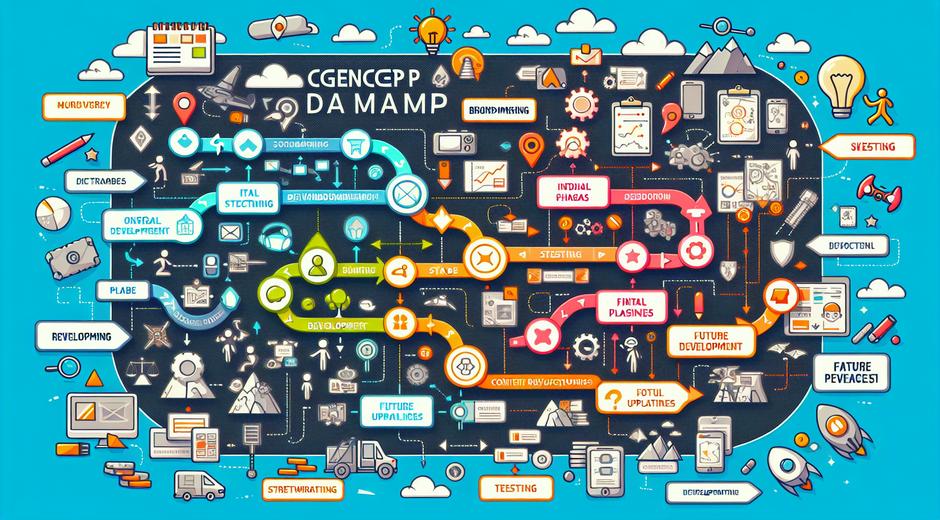
Roadmaps vary in scope and detail but should typically include the following elements. Start with a timeline that identifies windows for major updates and seasonal cycles. Define content pillars that explain the purpose of each update such as new maps story expansions character reveals or competitive seasons. Include milestone markers for internal deadlines testing and certification phases. Add metrics that will be used to evaluate success such as daily active users retention at key intervals or revenue per user. Finally include a brief risk assessment that highlights dependencies like backend services third party approvals or creative reshoots.
- Timeline with update windows
- Content pillars and themes
- Milestones for testing and release
- Success metrics and KPIs
- Dependency and risk notes
How to Build a Roadmap Step by Step
Start with player research. Use telemetry surveys and community signals to determine what type of content will create the most value. Prioritize features that improve retention or increase engagement for core users rather than chasing every trend. Next define your content pillars. A balanced set might include fresh gameplay systems social features seasonal events and economy updates. Assign a relative priority to each pillar and sketch a high level timeline that allocates resources across the year.
From the high level plan break work into release cycles such as monthly quarters or seasonal phases that fit your team size and testing capacity. For each cycle create a feature list and mark items that require cross team collaboration. Establish a release cadence that allows for adequate player feedback and iteration. Reserve capacity for hotfixes and unexpected bugs. A successful roadmap treats stability and polish as first class goals rather than after thought items.
Types of Content to Plan in Your Roadmap
Not all content is created equal. A thoughtful roadmap distinguishes between foundational changes and episodic content. Foundational changes include core systems updates server migrations and major quality of life fixes. Episodic content includes new chapters events cosmetics and limited time modes. Both types are important and both need space on the roadmap. Mixing predictable recurrent content with surprise moments can keep community excitement high without burning out teams.
Examples of content categories to include
- Fresh gameplay mechanics and modes
- Story expansions and narrative chapters
- Seasonal events and holiday content
- Cosmetic drops and shop rotations
- Quality of life and accessibility updates
- Competitive seasons and ranking resets
Measuring Roadmap Success and Iterating
No roadmap is complete without a plan to measure outcomes. Define clear KPIs for each content drop and track them from day one. Common signals include new user growth retention after seven and thirty days session length and conversion rates for monetized items. Use A B testing where possible to validate design assumptions and keep a running retrospective that captures what worked and what did not.
Iteration is a core gaming best practice. Use roadmap reviews to adjust upcoming priorities based on data and player feedback. If a live event under performs study whether the issue was timing design or communication. If a mechanic drives strong engagement consider accelerating related content so the momentum continues. Successful teams use the roadmap as a living document rather than a fixed promise.
How to Share Roadmaps with Players and Stakeholders
Transparency builds trust. When sharing a roadmap with players be clear about what is confirmed what is planned and what remains aspirational. Use visual timelines and short developer notes that explain the intention behind updates. Regular updates keep the community engaged and reduce speculation. Internally tailor the roadmap to show more granular dependencies and technical details that help other teams plan their work.
Consider staged reveals to create steady engagement. Announce a major season window weeks before launch then reveal details about gameplay story and rewards in the weeks that follow. This keeps press and streamers interested while giving your testing team the time they need to stabilize the build.
Common Roadmap Mistakes to Avoid
Many teams make similar mistakes when building a roadmap. Over promising is the most common. Committing to too much content or too tight a timeline creates pressure that leads to compromised quality. Under communicating is another. If players do not understand delays or changes rumors will fill the gap and trust will erode. Finally failing to align internal teams can cause last minute cancellations or rework. Make alignment meetings part of your roadmap cycle and document decisions and assumptions clearly.
Tools and Formats That Help
Choose tools that match your cadence. Simple documents and visual timelines can work for small teams while larger studios may prefer dedicated roadmap software that ties into issue tracking and deployment pipelines. Whatever the format make it easy to update and share. Public facing roadmaps should be high level while internal versions can show sprint level work and technical requirements. Consider embedding short video explainers into public posts to make the strategy more accessible for non technical players.
Conclusion and Next Steps
Game Content Roadmaps are essential for organized development clear player communication and sustained engagement. They are living artifacts that help teams prioritize measure outcomes and adapt to change. Start by defining your content pillars then build a phased timeline that balances foundation work with episodic releases. Track success metrics iterate often and keep both players and internal teams in the loop.
For more resources on planning content that resonates with players and partners see partner insights at BeautyUpNest.com and consult industry coverage on gamingnewshead.com when you need case studies and examples to refine your approach.